Rio Palena
Tuesday, February 13, 2024
- Patagonia
It is currently high season and there is a lot of traffic during the day, especially on Ruta 40. Added to this is the heat. For these reasons, I tried to cycle out of El Bolson as early as possible.

I really enjoyed my time here in El Bolson. The drive was still quite pleasant during the sunrise. However, traffic increased pretty soon.
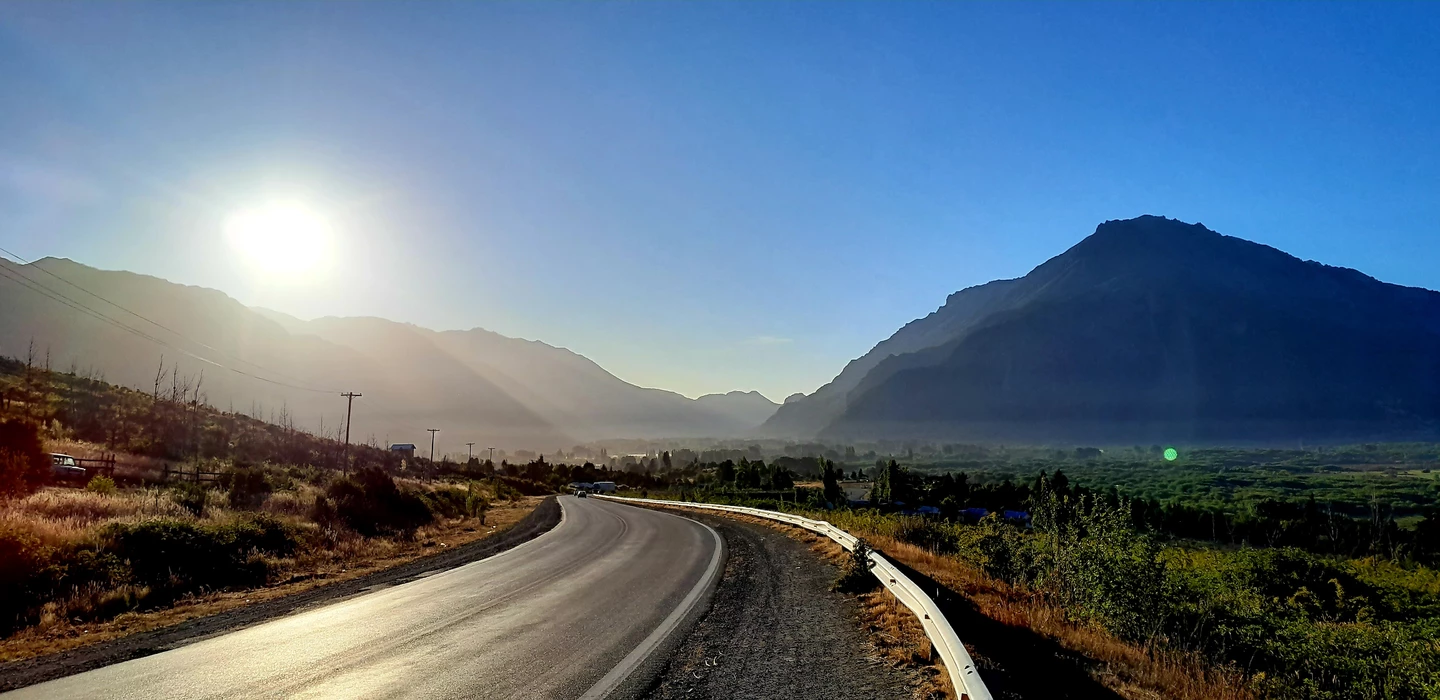
Basically, the main problem are the narrow streets. Luckily, just outside of Epuyen, the turnoff soon came to Ruta Provincal 71, which leads through the Parque Nacional Los Alerces.

The road is still asphalted until Cholila. Then it's back to the gravel road. There was quite a lot of traffic here, which meant I was almost constantly covered in dust.

The area is also very beautiful in terms of landscape. Especially the surrounding mountains and forests. Luckily there was a small shop in Villa Lago Rivadavia where I could buy cool drinks and fruits.
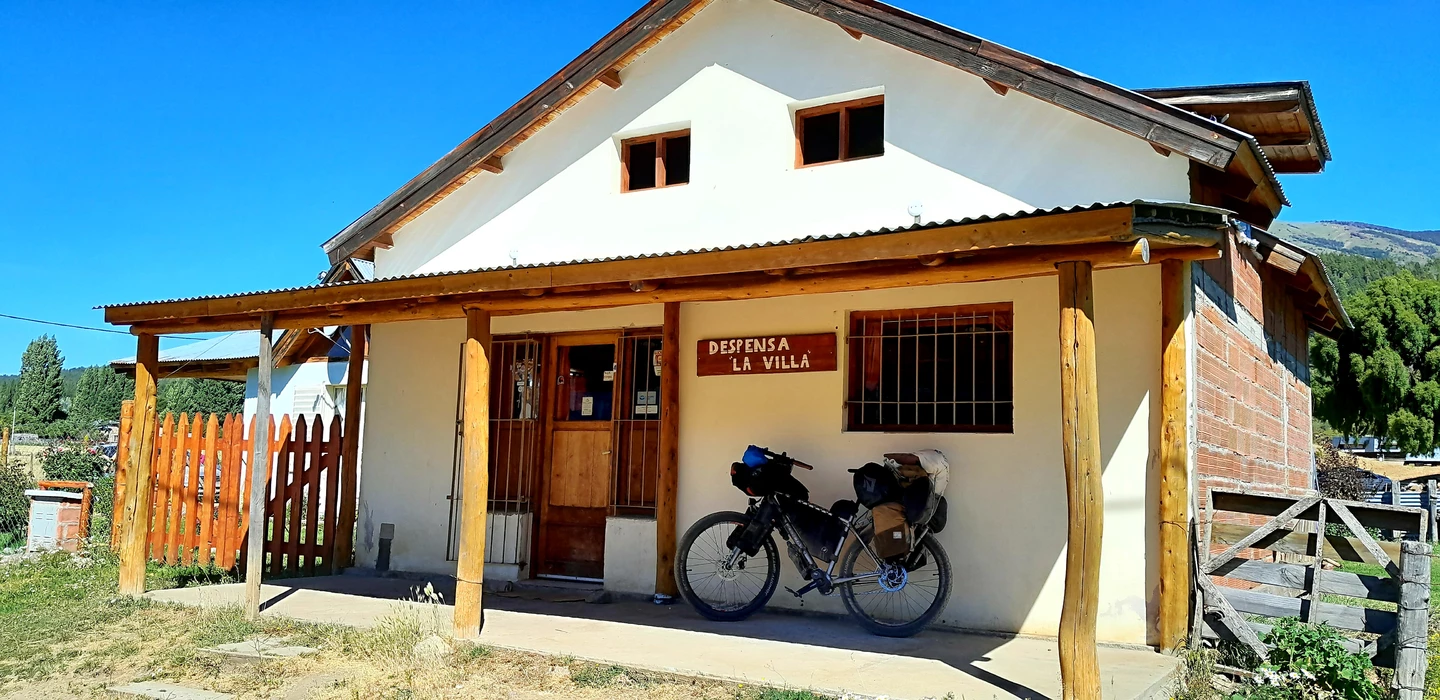
I was almost constantly covered in dust and couldn't find any place to camp in the wild at Lake Rivadavia. Only a few kilometers outside I set up my tent in a forest.
The next day started with a beautiful sunrise. Today I started cycling very early in order to arrive at the planned embarkation point at Lago Futalaufquen as quickly as possible.

Immediately after the Quebrada del Leon waterfall, a small path leads from the asphalt road down to the lake, where there is also a small campsite with a boating area.
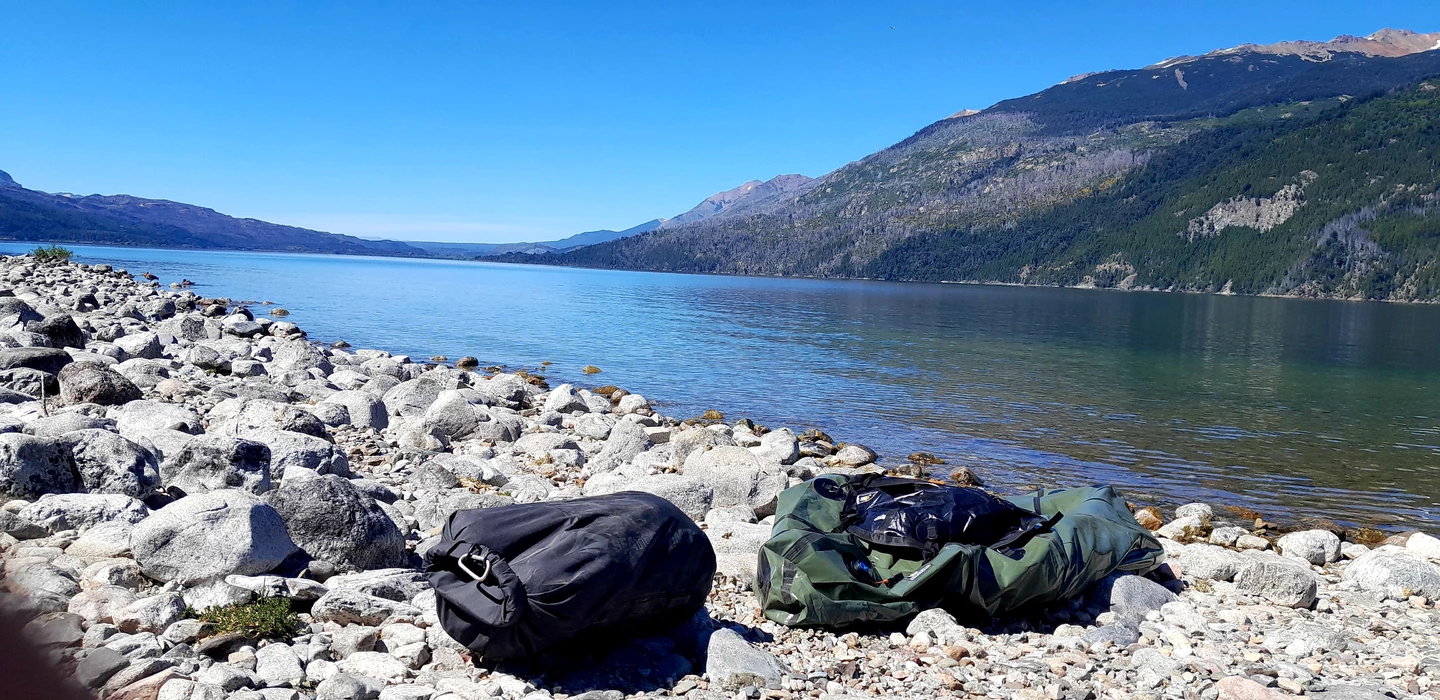
I did a quick shop in the small shop and asked the owner about the conditions on the lake. By midday I had finished packing my packraft and started paddling.
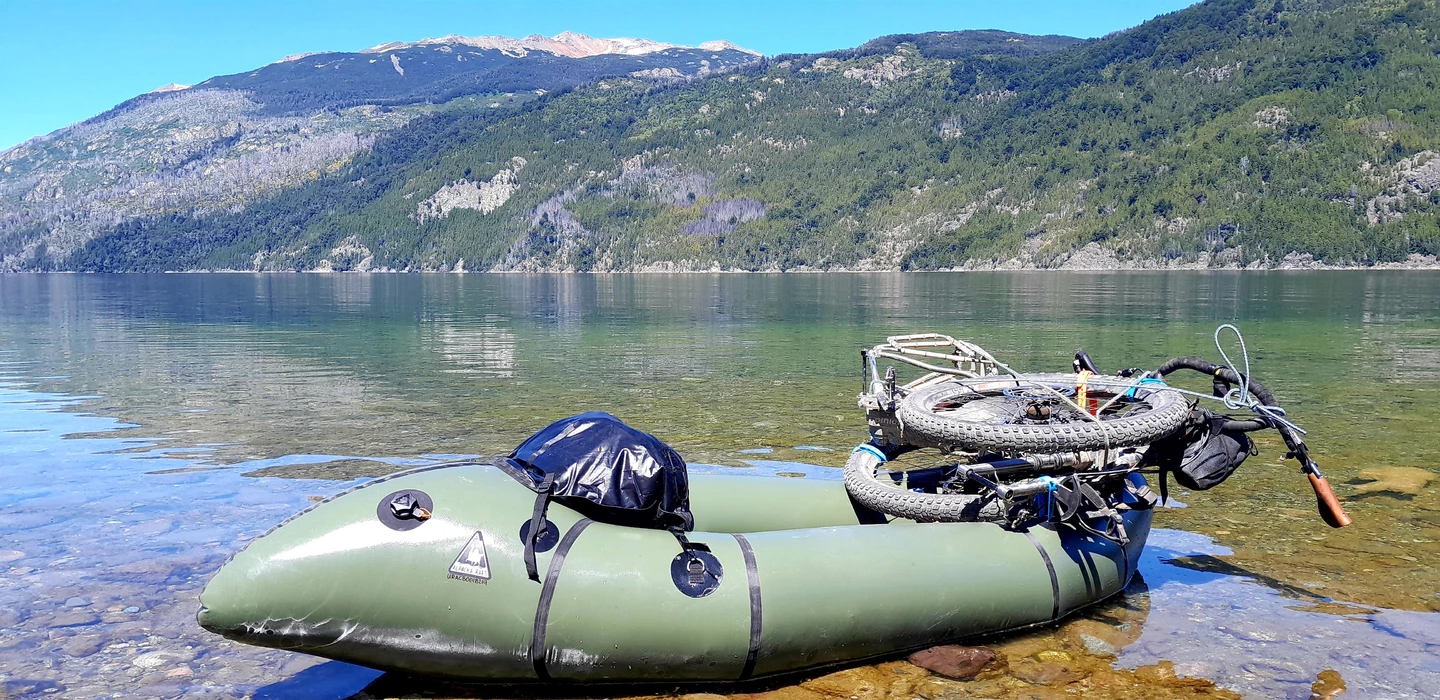
The views of the surrounding mountains from the water are fantastic. Thanks to the nice weather I was able to see all the way to the border of Chile.
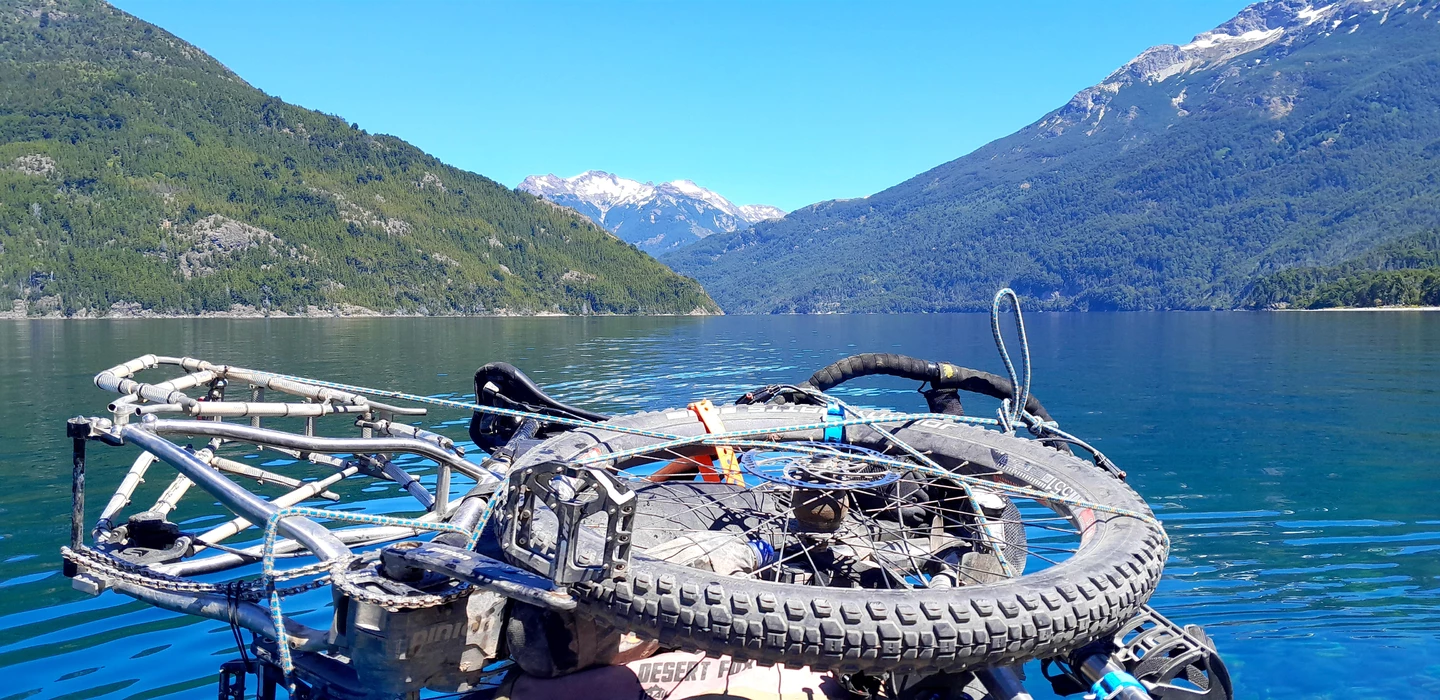
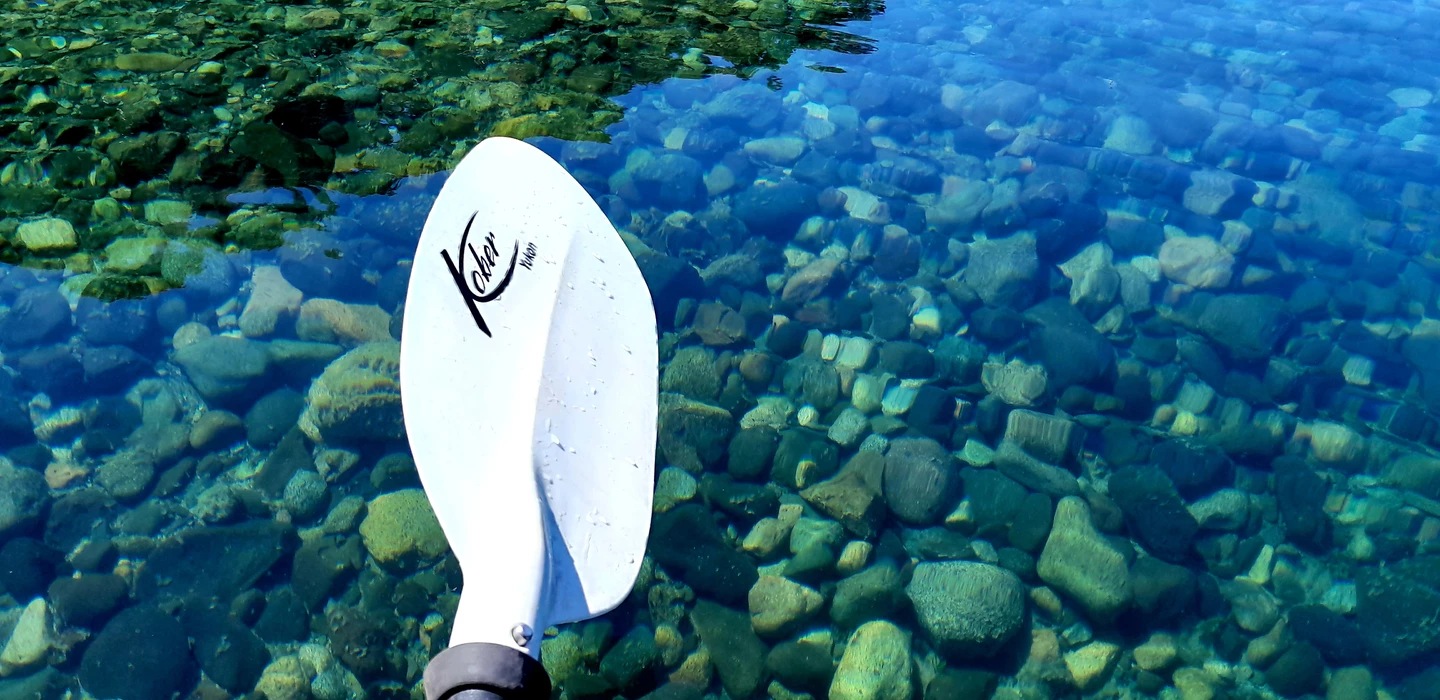
I found the crystal clear water impressive. Everything is visible down to the bottom. There are also almost no motorboats here, which made paddling a lot more pleasant for me.
I took a quick lunch break on a quiet section. Compared to cycling on the dusty road, moving around with a packraft on the water is simply heavenly.
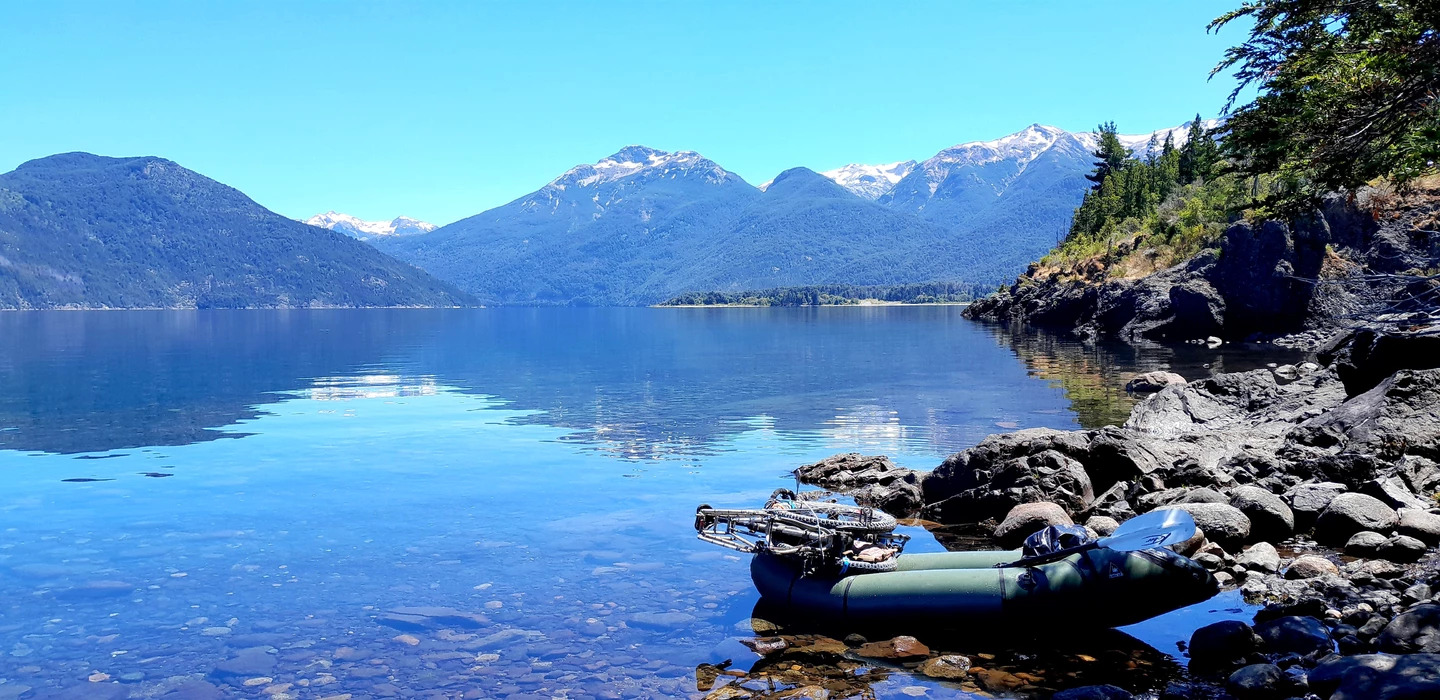
A few times I jumped into the lake to cool off a little. In Villa Futalaufquen, the southern end of the lake, I planned to disembark directly on the road. However, there is real mass tourism here and I only found a shady spot at the bottom end where I could load everything back onto my bike.

I pitched my tent about 3 kilometers outside the town and soon fell into bed, dead tired. With virtually no traffic, I cycled past Laguna Terraplen at sunrise the next day.

In Trevelin I enjoyed a second breakfast in a small café and did some shopping before heading on the RN 259 towards the border.

Here too there was a lot of dust to swallow. The road here leads along the Rio Futaleufu. It rises in Los Alerces National Park and then flows to Chile. The name comes from the Mapuche language and means big river.

In Los Cipreses, the last town before the border, I bought some more cool water and cycled a little further on the dusty road.

Just a few kilometers from the border I suddenly saw an open gate on the side of the road. A rare opportunity to finally spend the night behind the barbed wire fence again. Probably no other continent has as many barbed wire fences as here in South America.
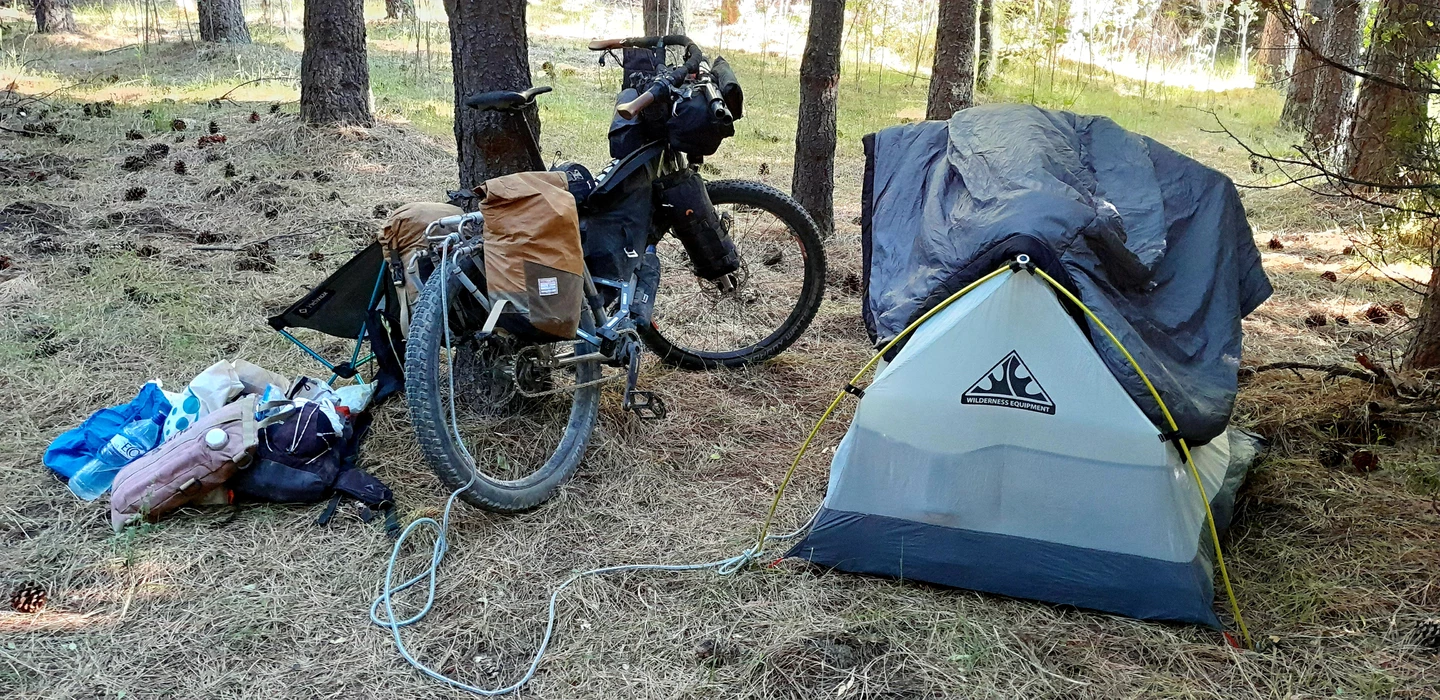
I found the perfect windbreak in a pine forest. The wind, which is notorious for Patagonia, usually starts to rage in the afternoon. This is usually the time for me to end the day.
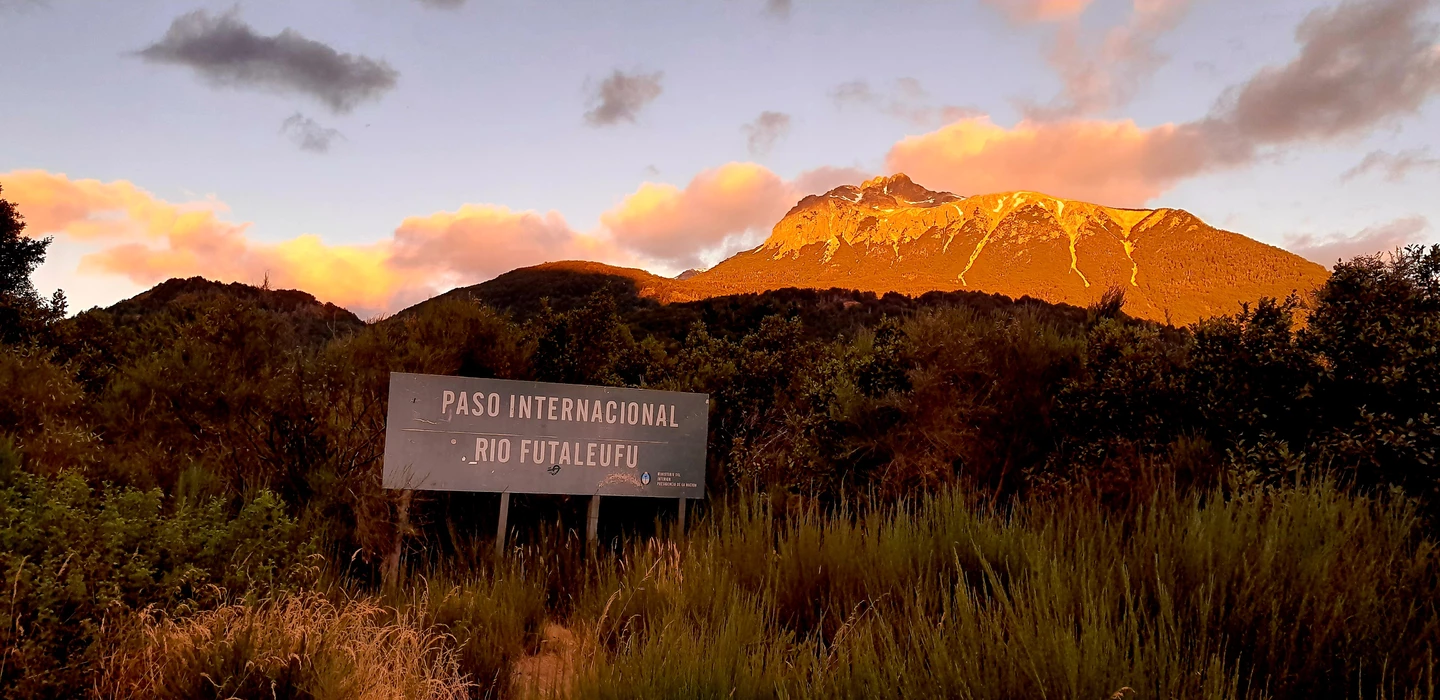
Since a general strike by the unions was scheduled to take place today (January 24th), I got up extra early and was at the border at 7:00 a.m.

Luckily the border opened 90 minutes later. When I entered Chile I had to hand over my honey and garlic because they are not allowed to be imported.

In Futaleufu I was able to withdraw money for the first time with the credit card that Carla had given me in Bariloche and also use it to pay in stores. What a relief after all the circumstances in Argentina.

I knew through friends from Switzerland that Mariann and Ron had a camp for paddlers here at Futaleufu. However, I didn't have an exact address. Luckily, the paddlers here know each other and someone in a rafting tour office was able to show me the location of the camp, which is about 25 kilometers outside the town, on the satellite image.

I got there at dusk. Mariann and Ron weren't there at the moment, but some other kayakers. They immediately invited me for a beer and I was allowed to set up my tent in the camp (https://www.rivernorth.no/en/products/travels/chile/).
The next morning I cycled back to Futaleufu to buy more food for the next few days in the camp. Lucia and Nahuel came towards me.

The two come from Uruguay and have been traveling here in South America for a few months. The first bikepackers I met on this trip.

After 5 hours I was back at the camp, where by chance Caroline and Joe had just arrived. They are also currently traveling in Chile. A great coincidence. Nano was installing a new concrete floor in the kitchen and I helped him a little the next day.

With Caroline and Rhys (an employee of Mariann and Ron, who is also visiting here) we went on my first river tour with the packraft in the afternoon.
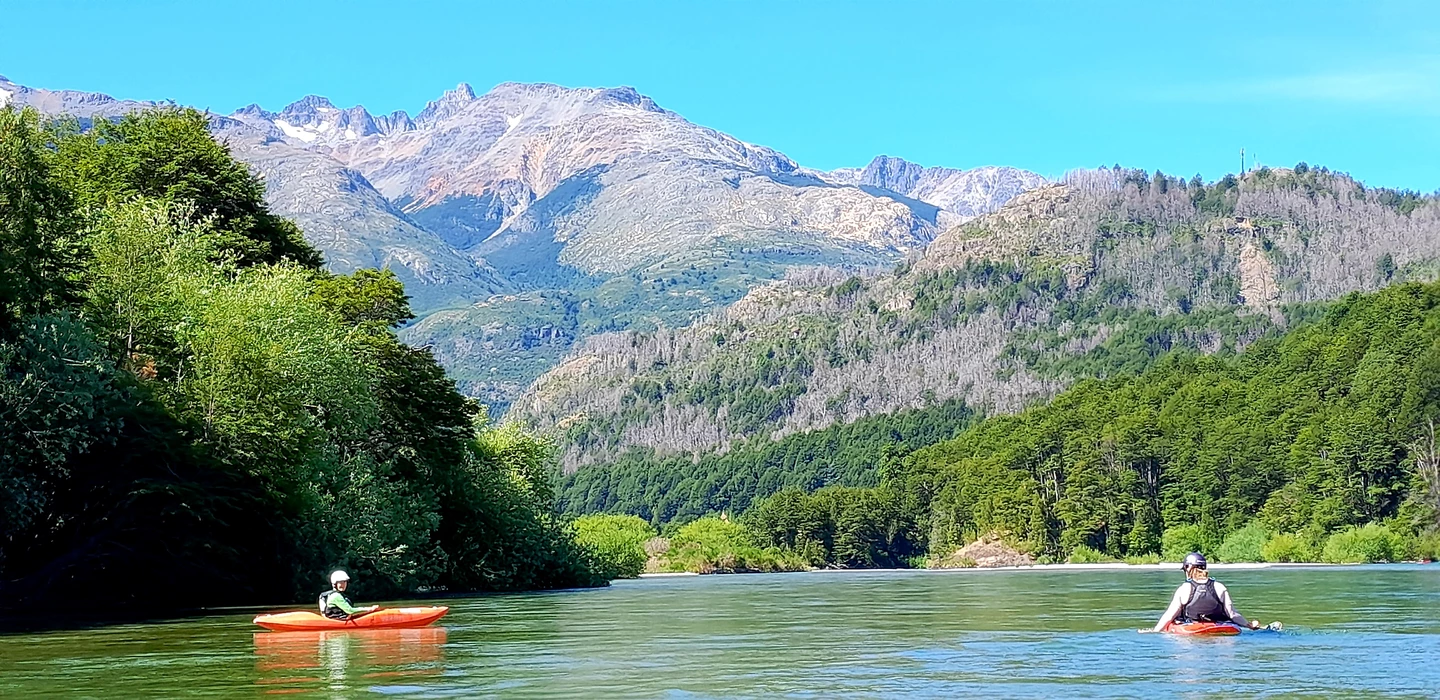
We chosed the lower section of the Rio Espolon, which flows from Lago Espolon to the Futaleufu River. Without luggage and a bike, it's a completely different feeling on the water.

The landscape here with all the mountains is simply beautiful. Joe arranged a shuttle service for us and picked us up by car at the disembarkation point. I went on a hike with Caroline and Joe the next day.

On the other side of the river a path leads from Sol de Montanas to Laguna Pinilla. Caroline accompanied us for a while. I was particularly impressed by the huge trees.
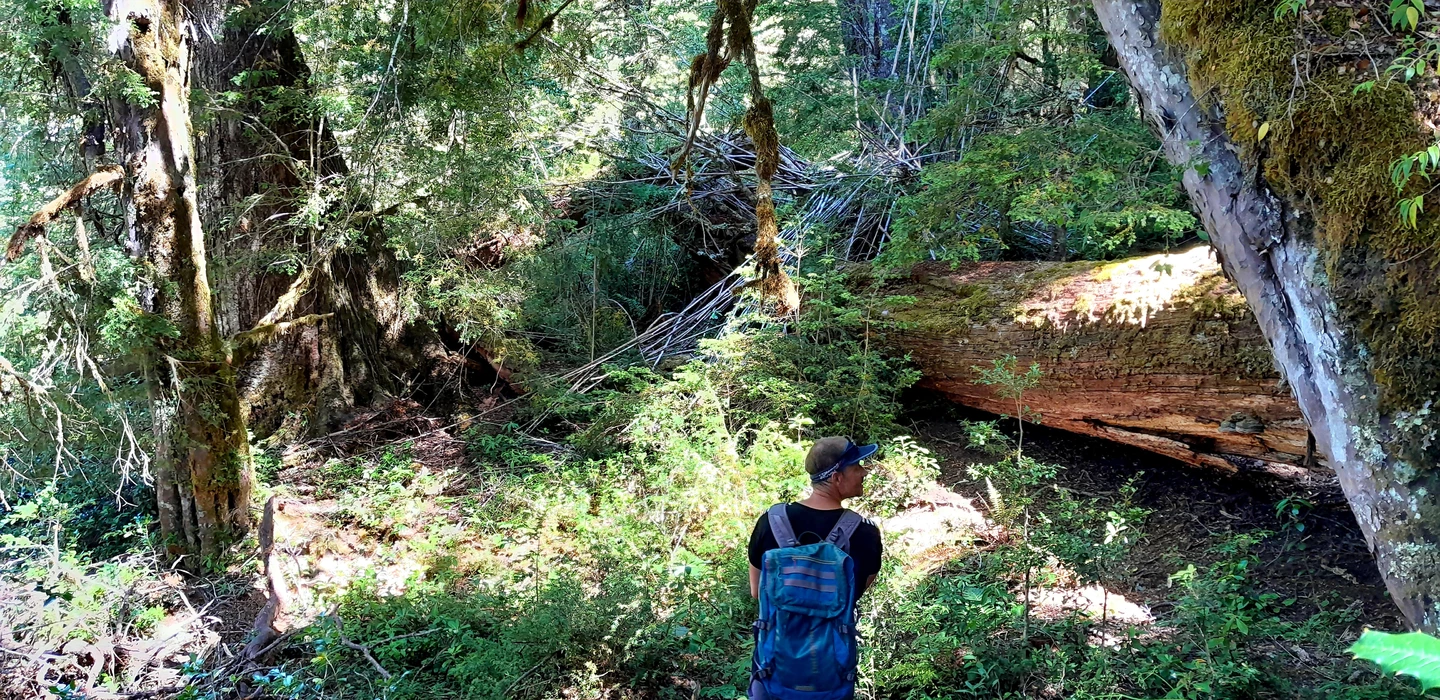
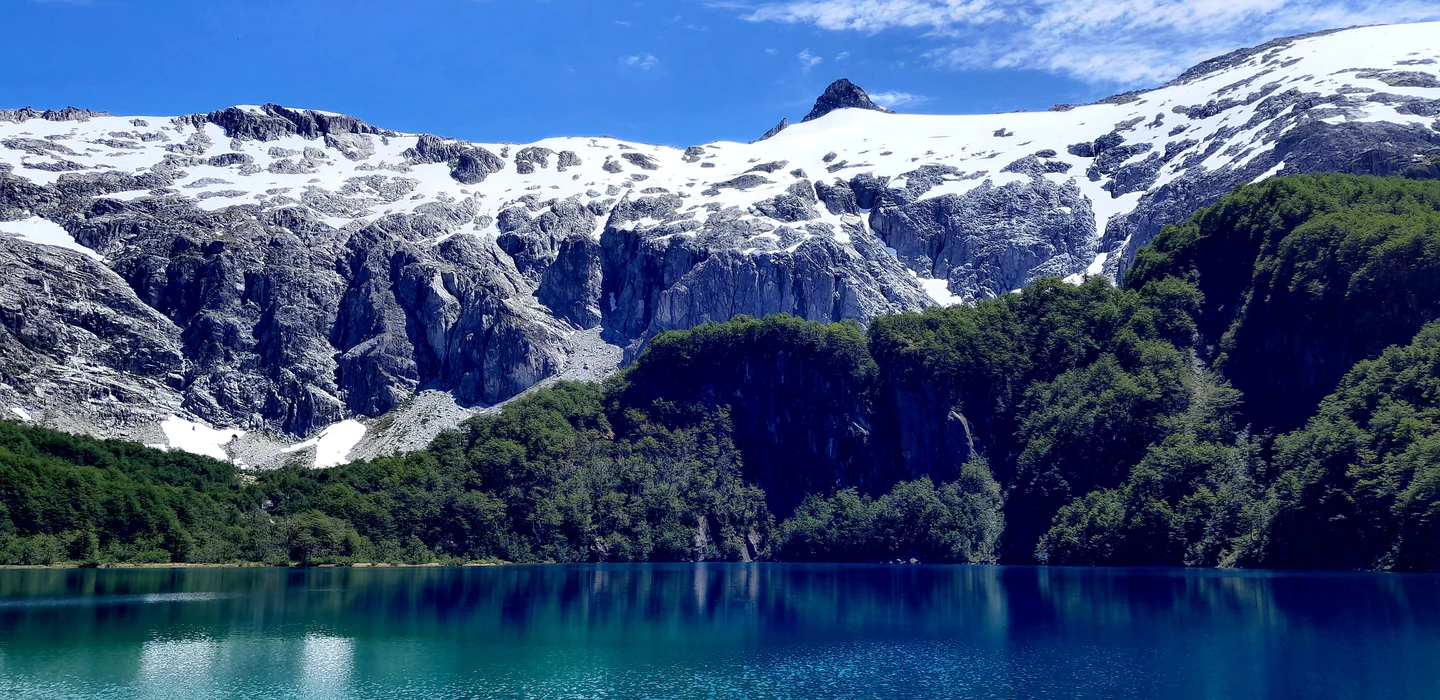
After about 3 hours, Joe and I reached the lagoon and enjoyed the view. I didn't want to miss a jump into the ice-cold water.
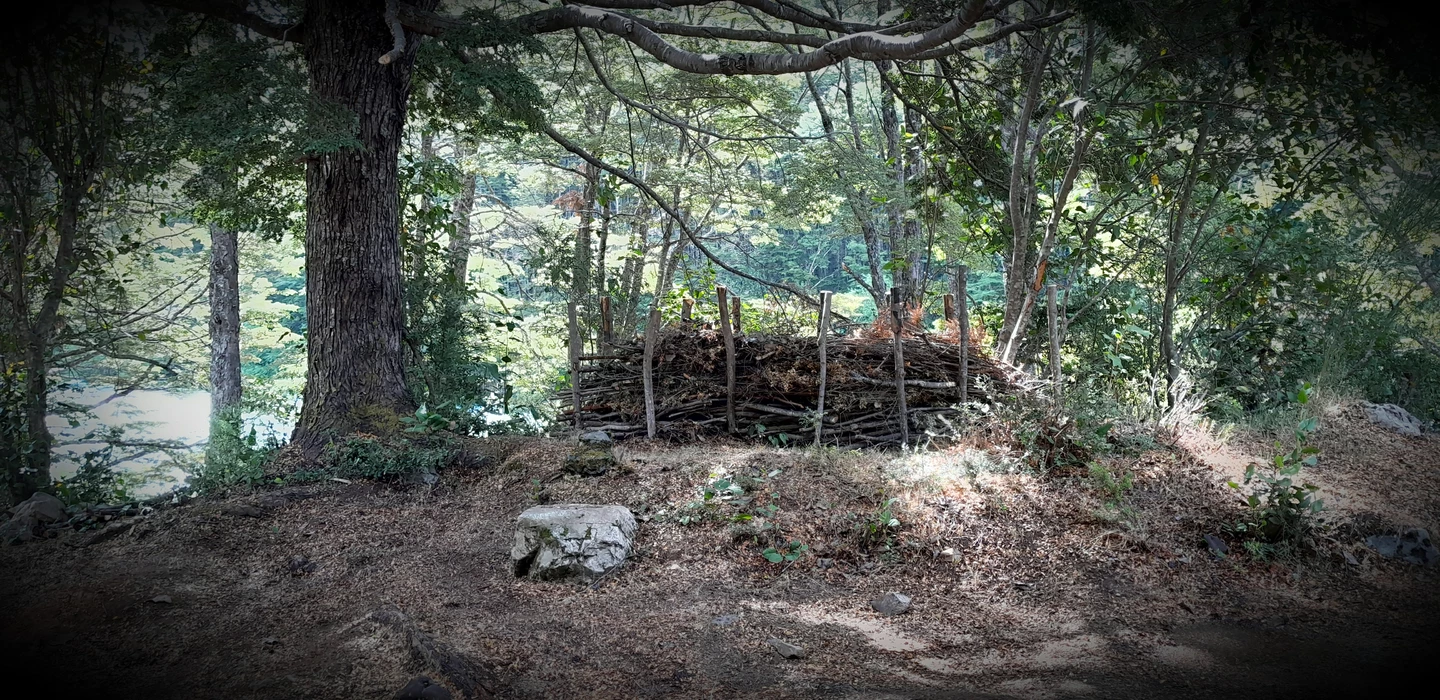
Mariann, Ron, Benjamin and Saga returned from their trip to Argentina the next day. At camp I built a stone pyramid.
Caroline and Joe continued north again. Thank you for the great time and see you soon on the Vorderrhein (https://www.joyofwhitewater.ch/). Ron continued building a new shower and toilets for the camp while I created a Benje hedge.
Here in the camp I received a lot of advice for my onward journey. But also from outside. So I got a suggestion from Fede about packrafting. He is a photographer, comes from Buenos Aires and always tries to visit people in the remote areas in the Andes with his bike and packraft to create a family portrait for them or to donate solar lamps and water filters (https://www.theironlyportrait.com/ ).
I then had Mariann confirm his suggestions. She co-authored the Whitewater Chile Guidebook with Tyler Curtis and Ben May. Thank you Fede and Mariann for your valuable inputs!

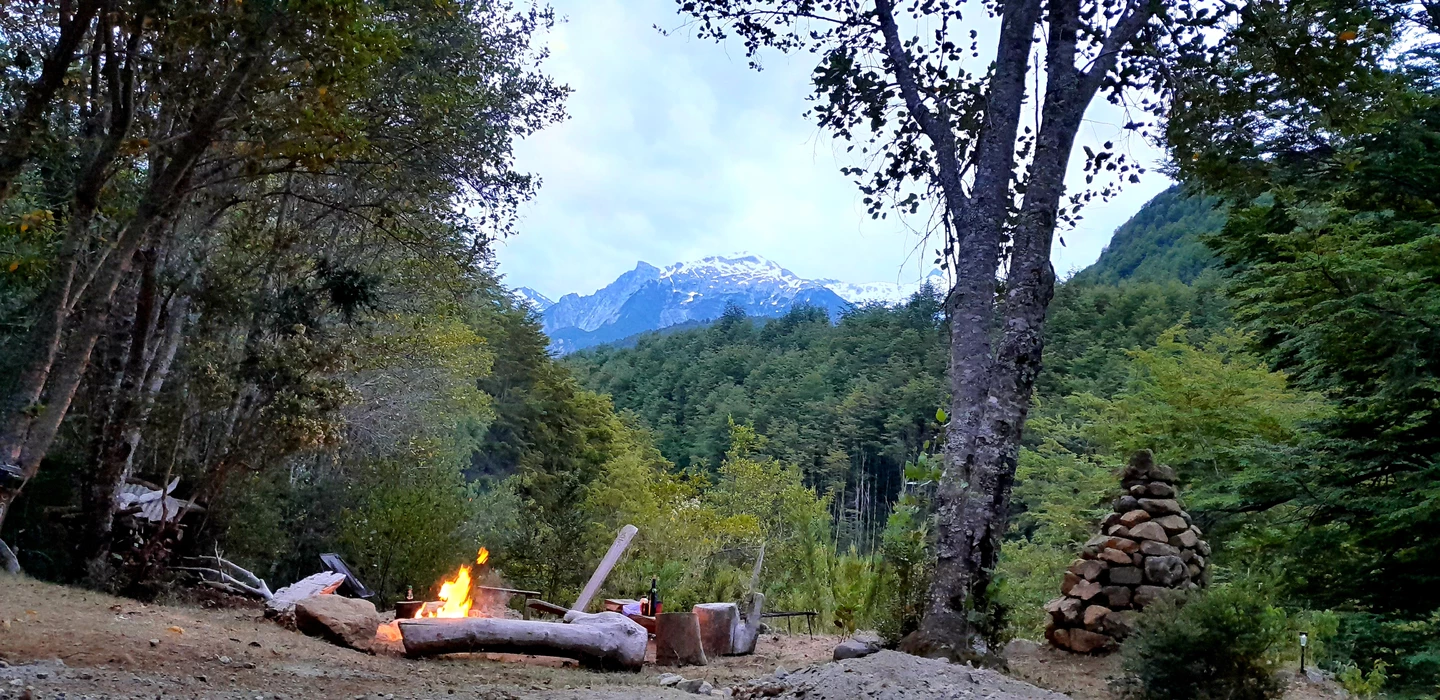
Mariann cooked a delicious lasagna for our last evening together at camp. We enjoyed the sunset around the campfire in front of their house.

Rhys, Ron, Mariann, Benjamin, Saga and I loaded the car the next morning and picked up Jim at the mouth of the Rio Azul. He comes from Canada, is a passionate paraglider (like Ron and Mariann) and also accompanies us on the Rio Palena.

We were able to rent a raft with a trailer from the rafting company

After we had stowed everything away, we went onto the river directly at the big bridge below the town of Palena. The Rio Palena is a binational watercourse that rises in Argentina and then flows into the Pacific Ocean via Chile (240km total length).
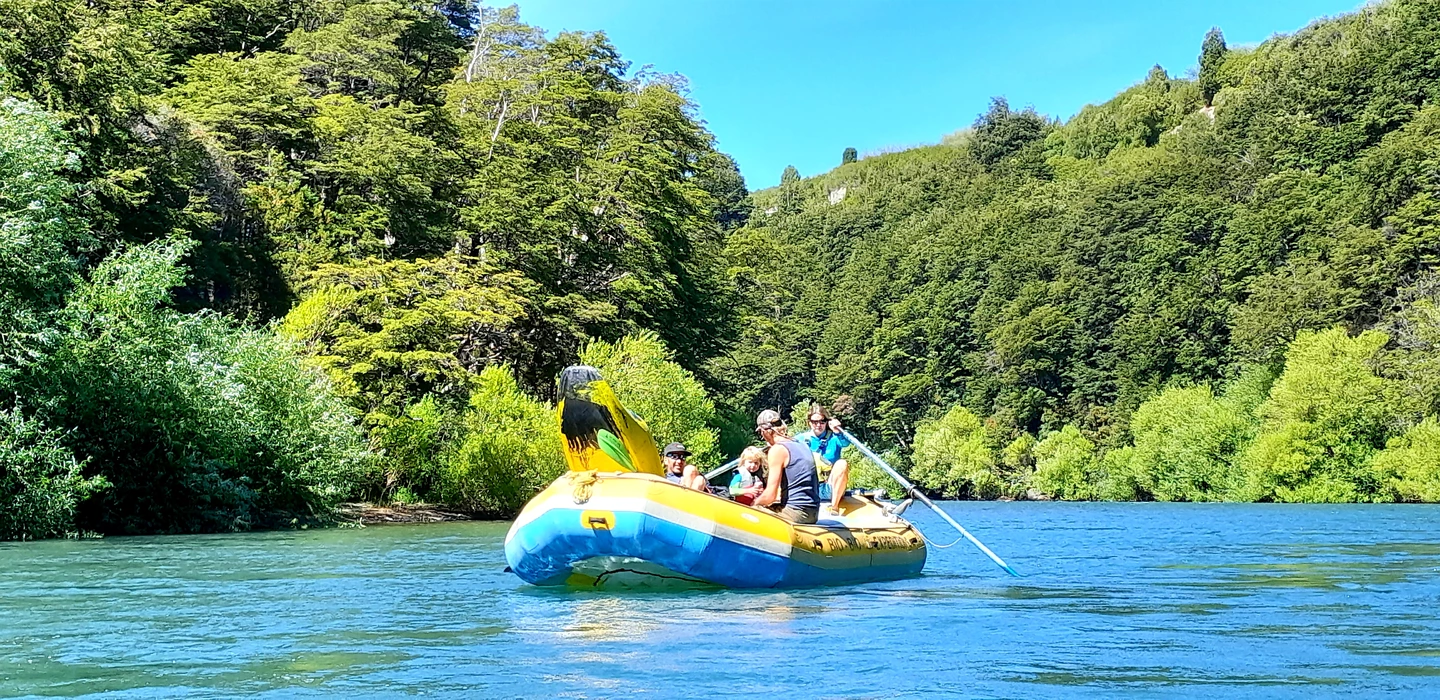
After just a few kilometers the infamous wind slowly set in. Elias, Benjamin and Rhys were in their kayaks, I was in my packraft and the others in the raft.

About halfway between the bridge and the Barcaza Rio Palena ferry we found a sheltered place to sleep right on the river bank.

Ron cooked us a delicious dinner on the campfire. For the first time on this trip I had the feeling that I was really out in nature. Finally not having constant barbed wire fences and streets around you is really nice.

We ended the day around the campfire. I got up before the others the next morning because the whole procedure with the packraft tends to take longer. The landscape here on the Palena is impressive.

Mariann and Ron had already done this tour with the children 2 years ago and Beni still remembered the Tranquilosaurus well. A tree trunk sticking out into the river and looking like a dinosaur.

Of course we had to take a break here and had lunch. Just as we were about to move on again I noticed a small hole in the front end of my packraft.
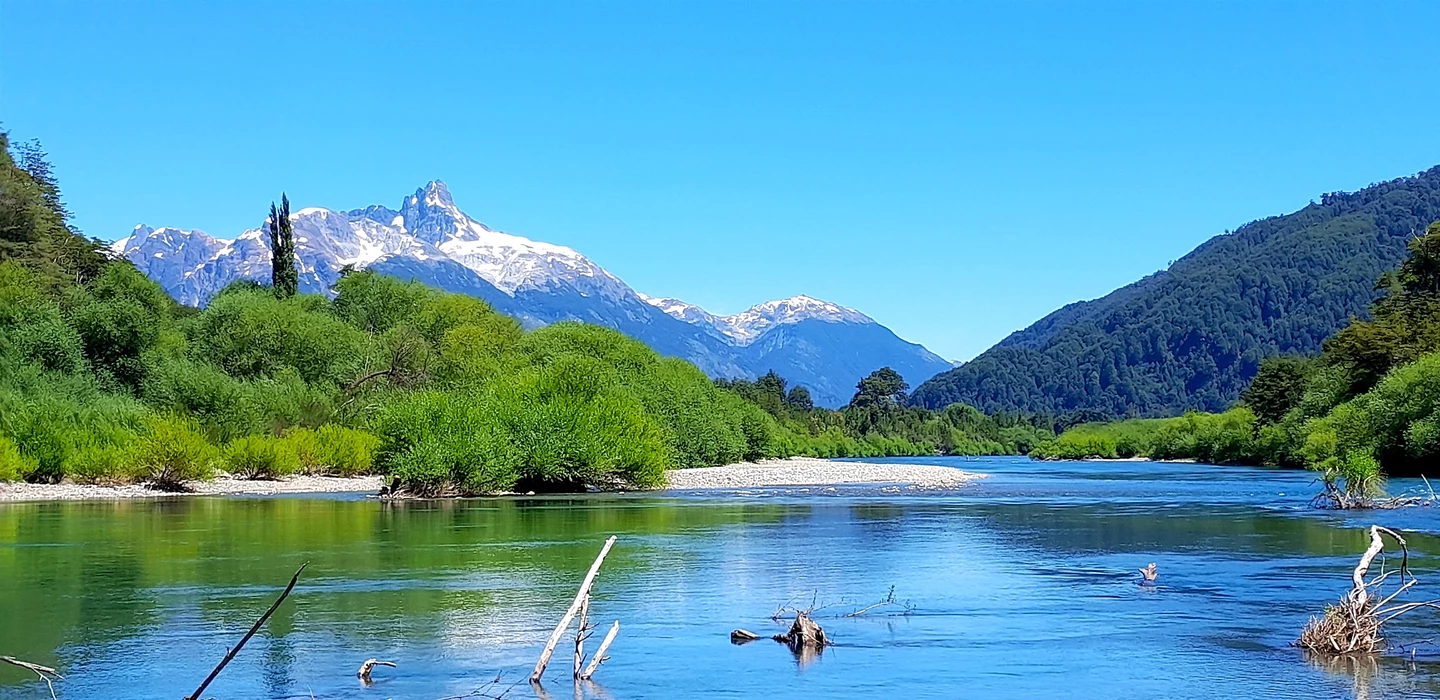
On the raft I made makeshift repairs with Scotch tape that Jim provided me. So I was able to continue the journey until the evening.

Today the temperatures really rose and the headwind increased more and more. At some point during the afternoon we had to surrender. It was almost impossible to move forward, especially with the raft.
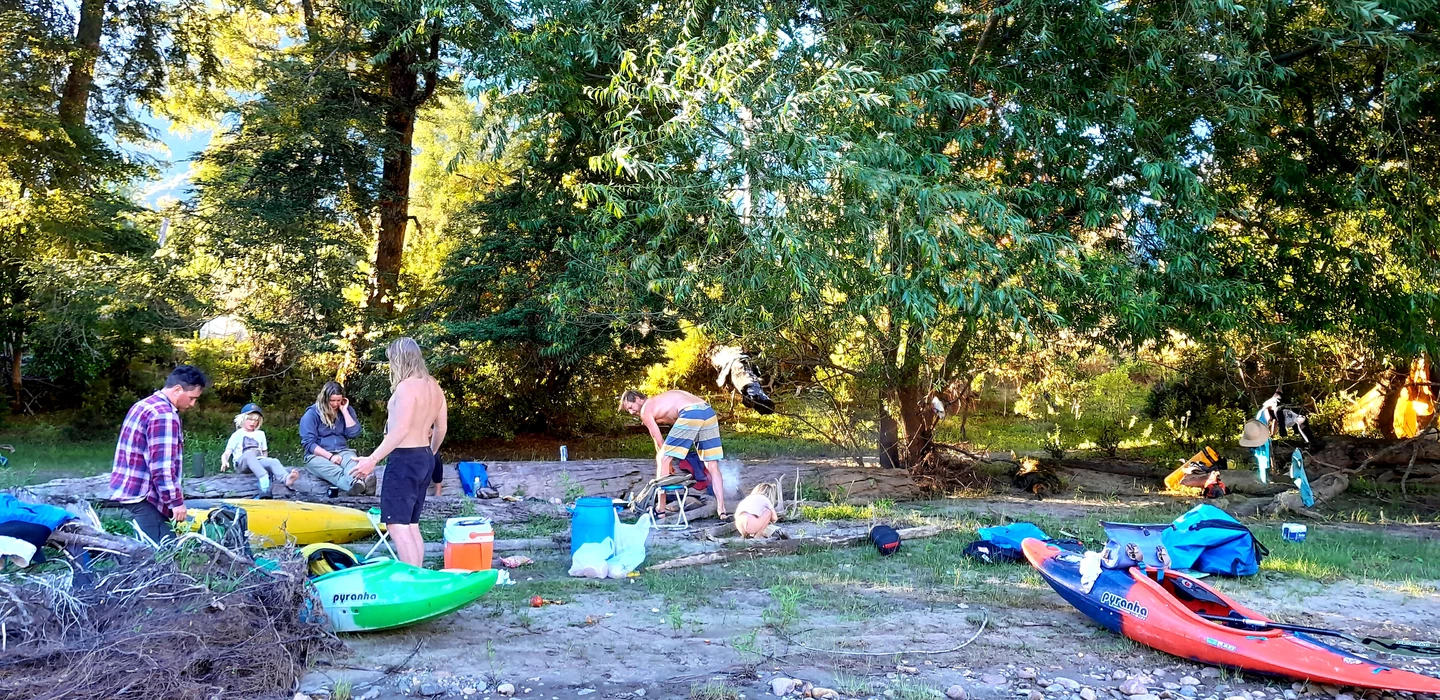
While Rhys cooked a delicious dinner, I repaired my packraft with Ducktape. First from the inside.

Then also from the outside. Fortunately, this emergency operation lasted for the rest of the journey to the Pacific Ocean.

The next morning we took it easy. None of us were sure how many bottles of wine we had drunk last night.

The biggest obstacles here on the river are the many tree trunks. Luckily Elias knows practically every trunk and stone and was always able to show us the ideal line.
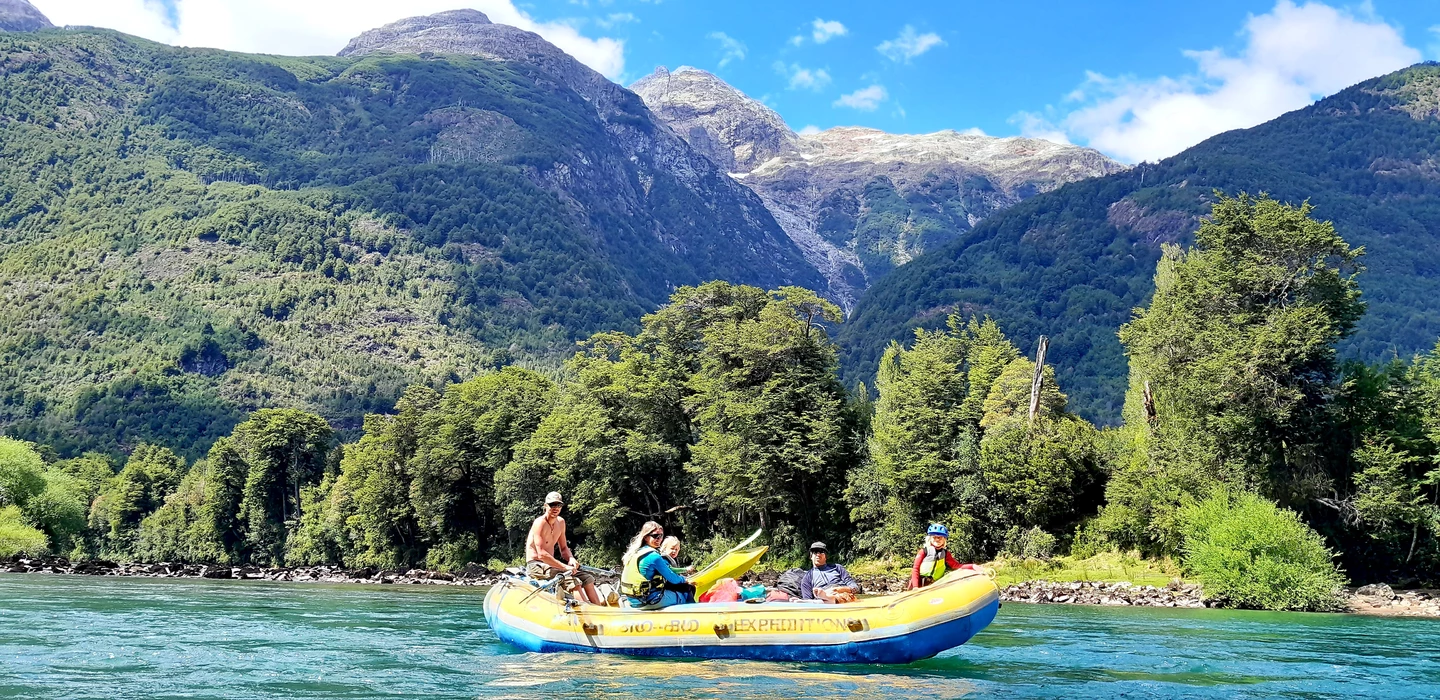
Mariann and Ron were really lucky while fishing today and caught a fish each. The river is slowly getting wider and wider here.

Rhys and I paddled ahead, enjoying the calm stretches in lovely weather.
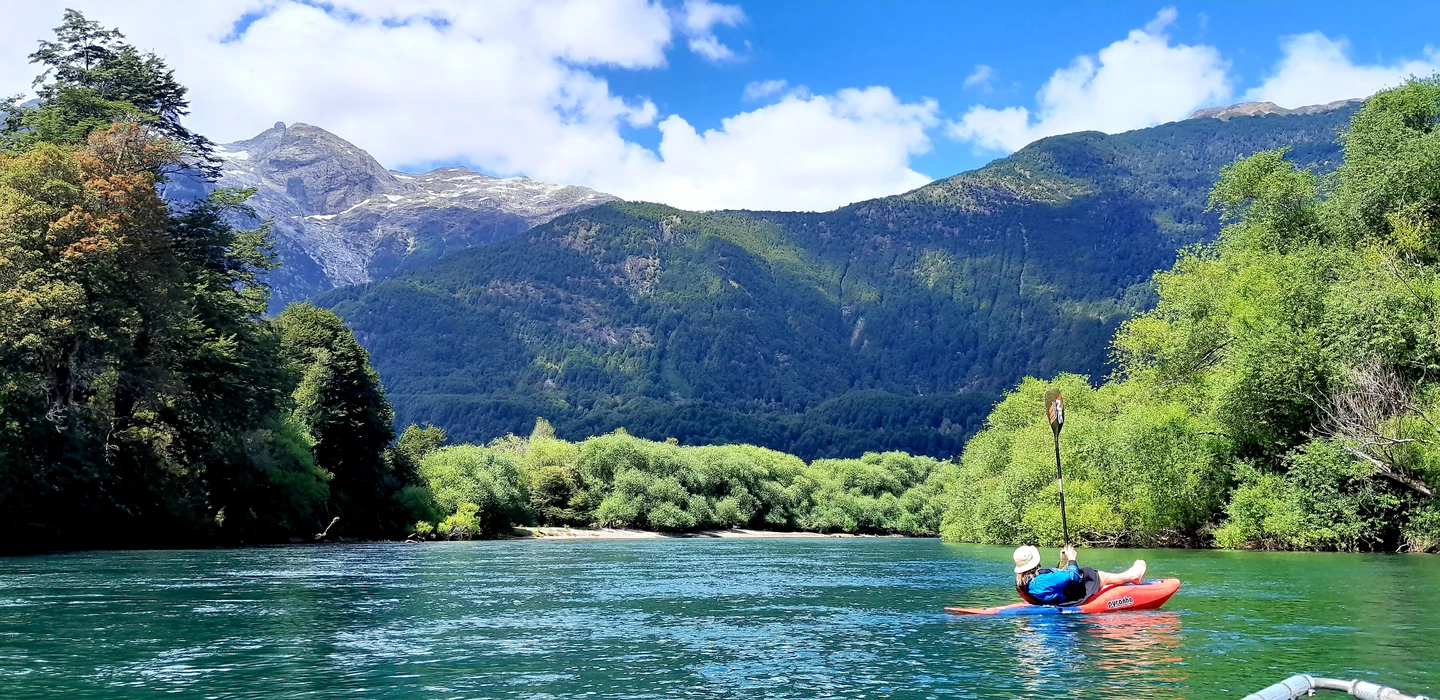
At around 3:00 p.m. we reached the mouth of the Rio Frio. This is where the journey on the Rio Palena comes to an end for the others and I had to say goodbye to them. Thank you very much for the extraordinary time!
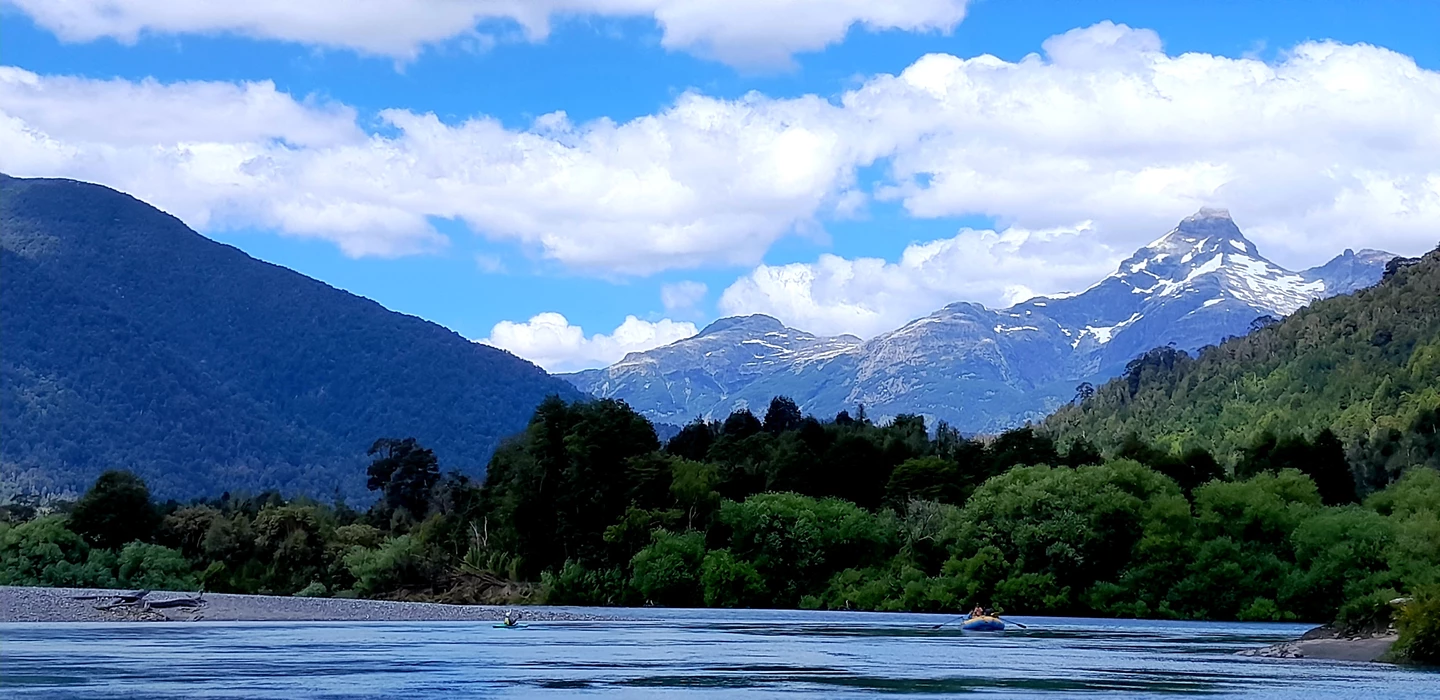
Suddenly being completely alone on the river is a strange feeling that I had to get used to at first.
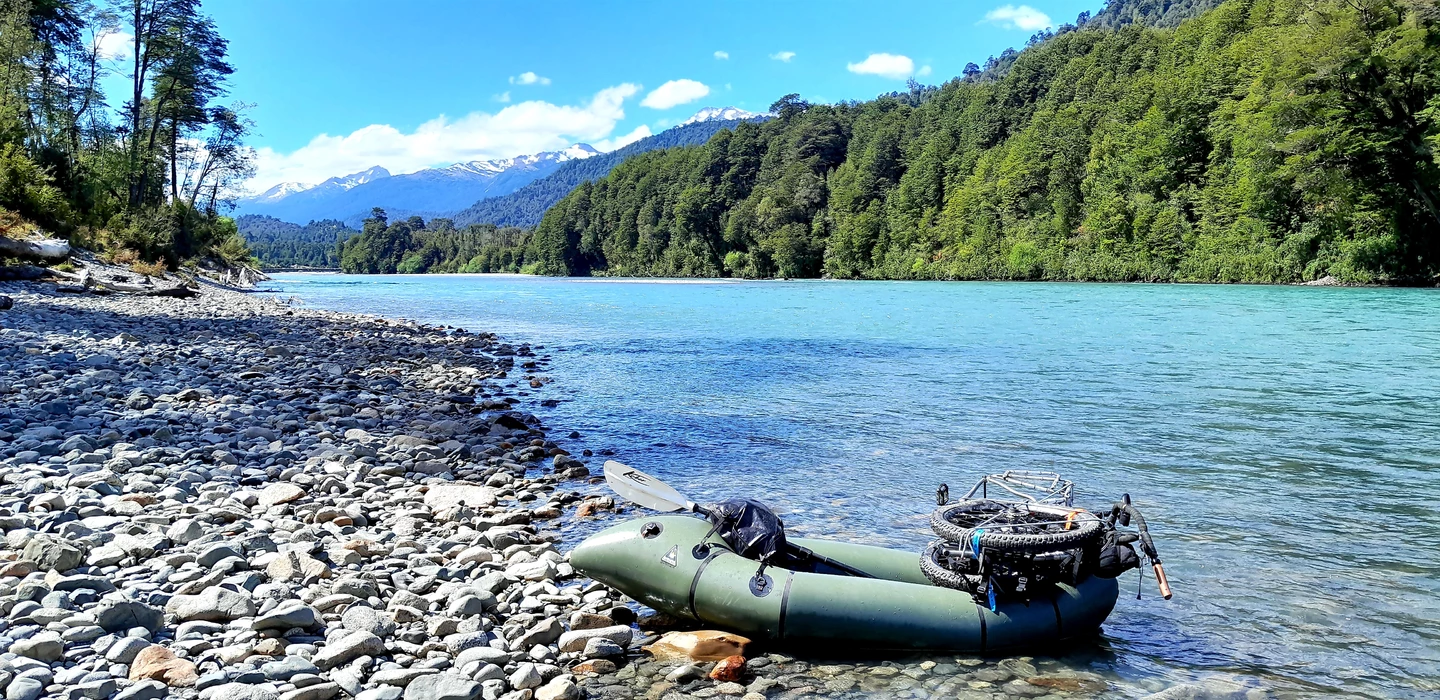
Here the Carretera Austral meets the Rio Palena and slowly the first signs of civilization appeared on the river bank. Overall, however, it was exceptionally quiet and I was constantly surrounded by green nature.
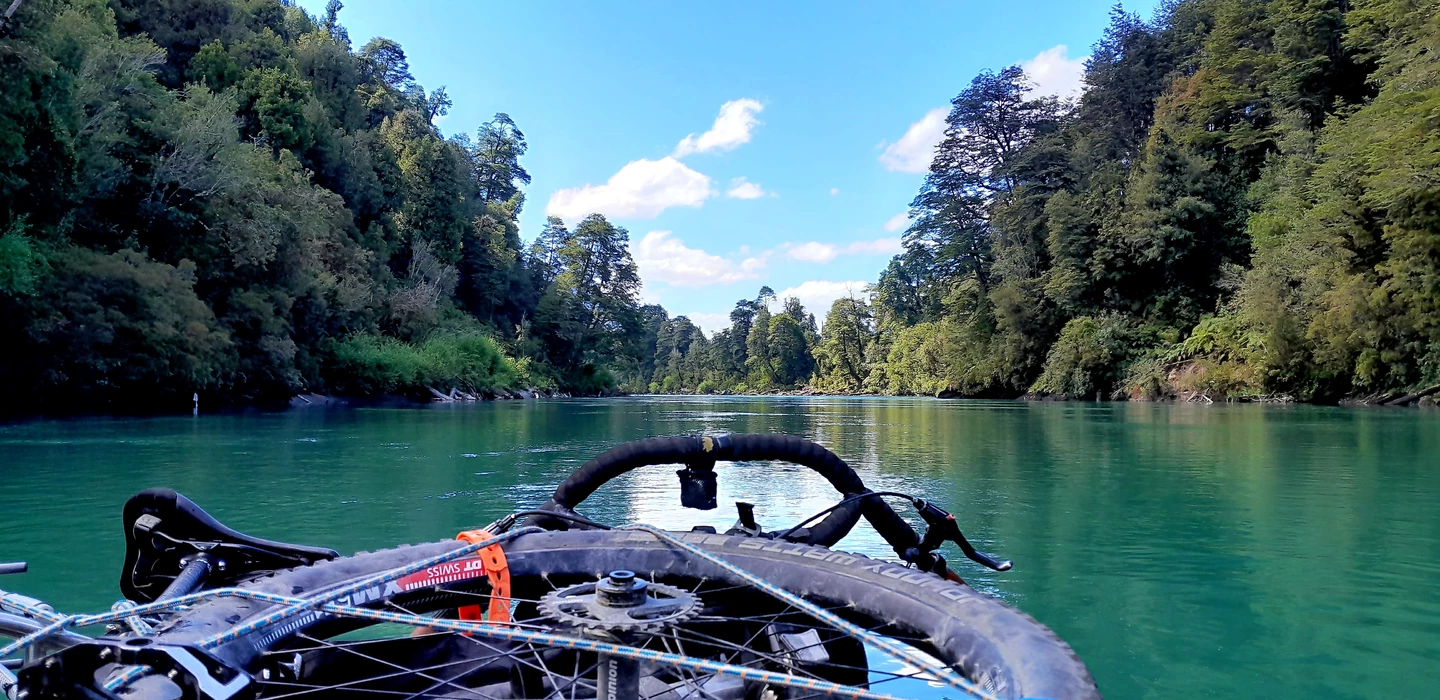
In the evening I found a small forest clearing on the river bank about 10 kilometers from La Junta, where I could set up my tent protected from the wind. The next day started with a lot of clouds and the temperatures were significantly cooler.
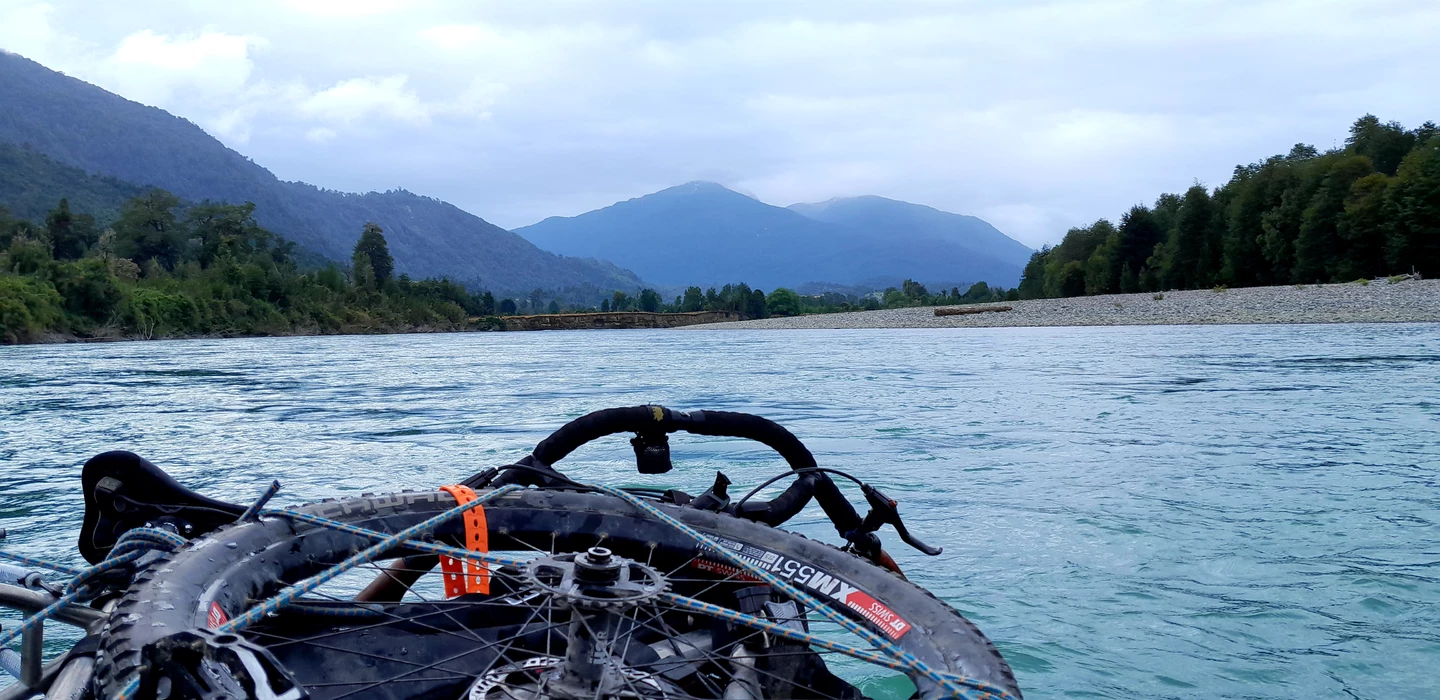
The first destination of the day was the Rio Rosselot estuary. There I first had to walk a little way up the river in the boat to get to the other bank above the confluence.

After 4 days on the river I definitely needed to replenish my food supplies. La Junta is the only place where this was possible for me.
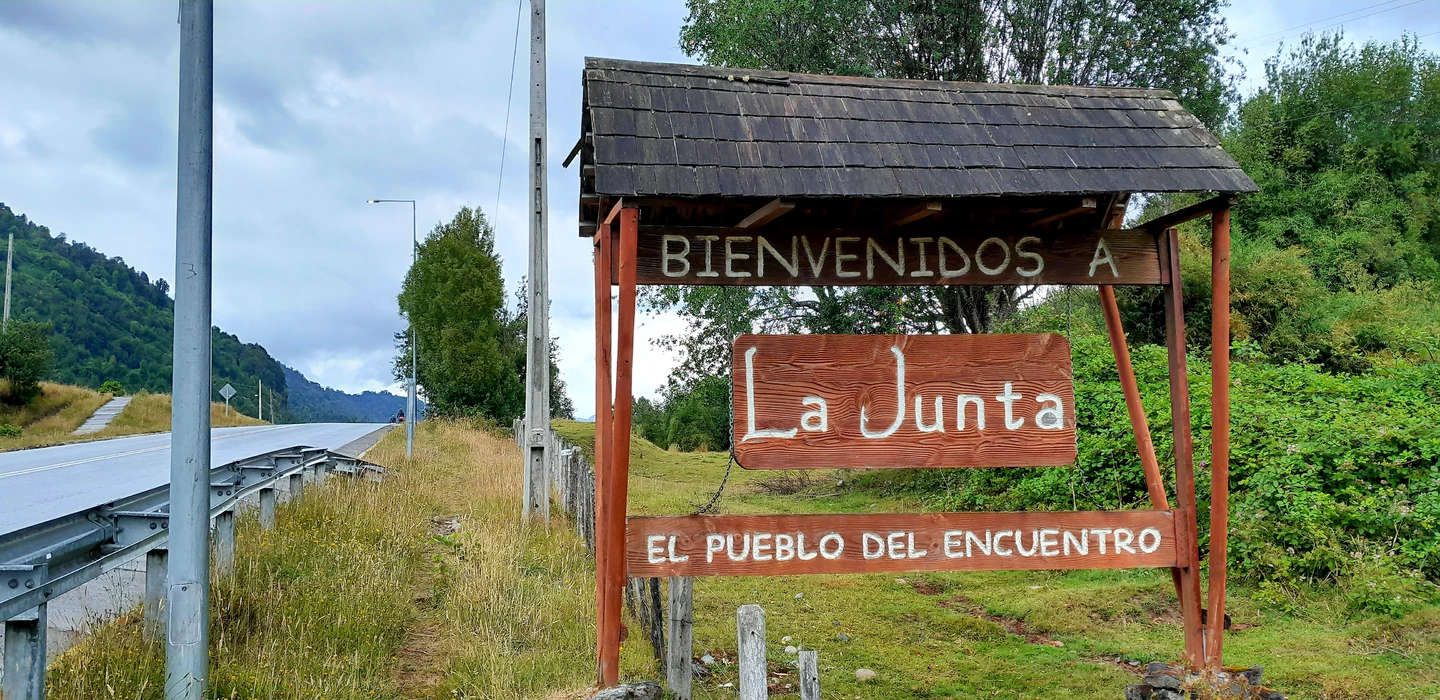
I left the packraft and the bike on the river bank and walked the 2 kilometers into the town. Then it started to rain. After shopping I went back to the river.
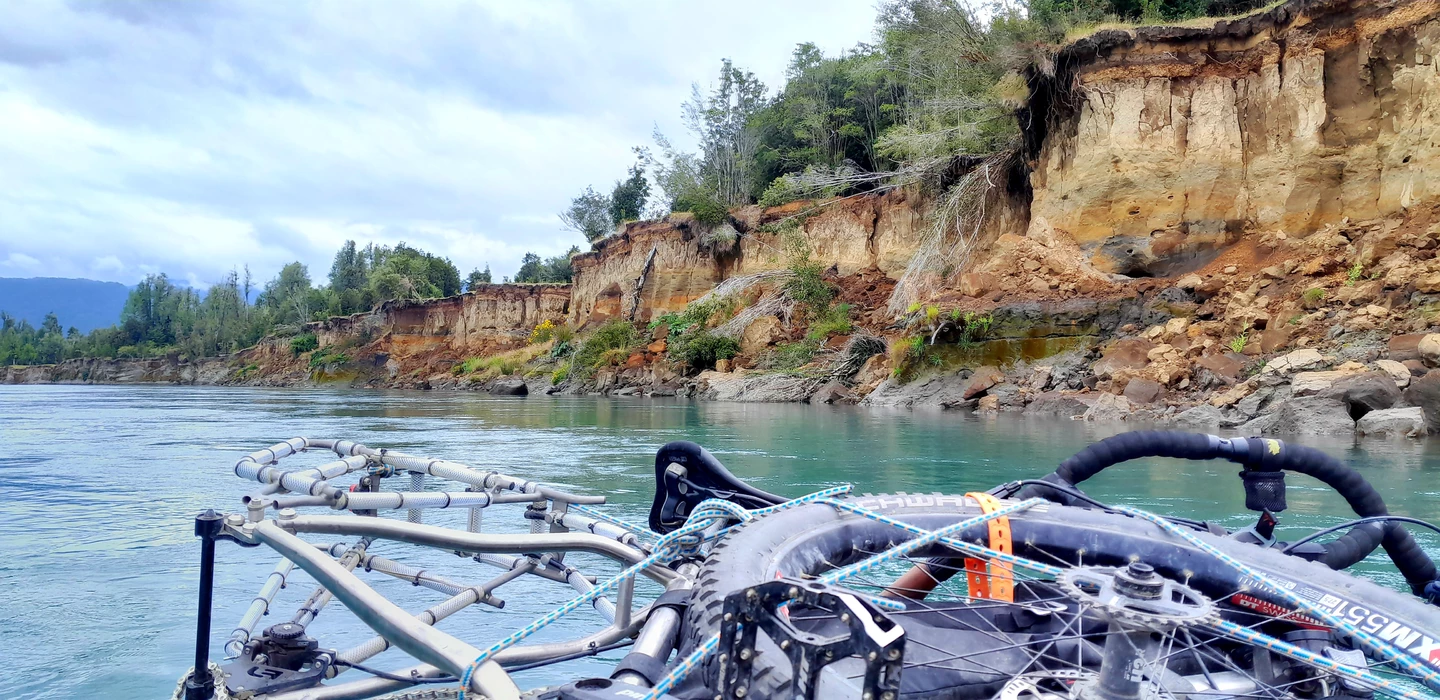
However, the weather became progressively worse. Just in time I found a well-protected spot, far enough away from the bank and behind a few tall trees and bushes.

I had to additionally stabilize my tent from the inside with the paddle so that it could withstand the storm. It stormed and rained all night until around 10:00 a.m.

I decided to stay here today and dry my things by the fire or in the sun. Towards the evening 3 packrafts suddenly appeared.

Hugues is originally from France, currently lives in Geneva and is traveling the Greater Patagonian Trail (GPT) with his daughter Faustine and son Thomas. They are traveling on foot and with 2 packrafts.
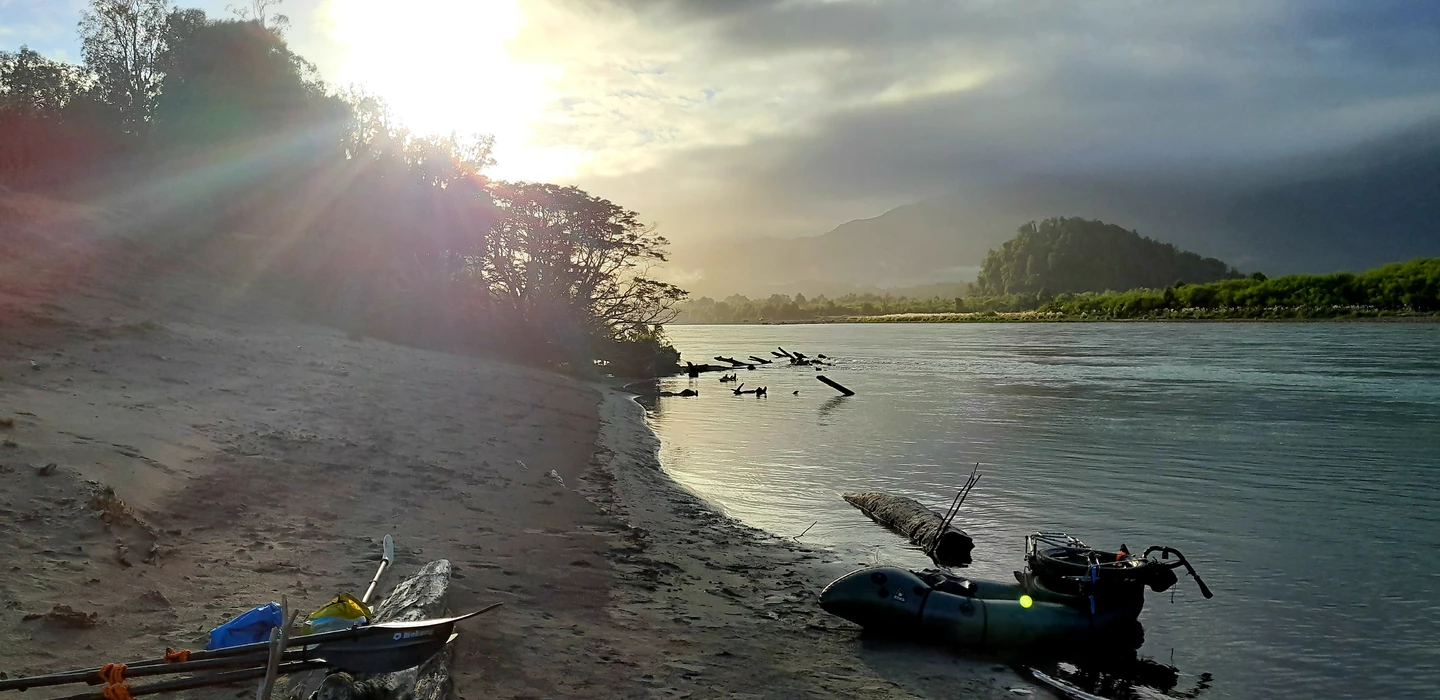
We decided to paddle the last leg to the sea together the next day. We got up early to cover as much distance as possible before the wind.
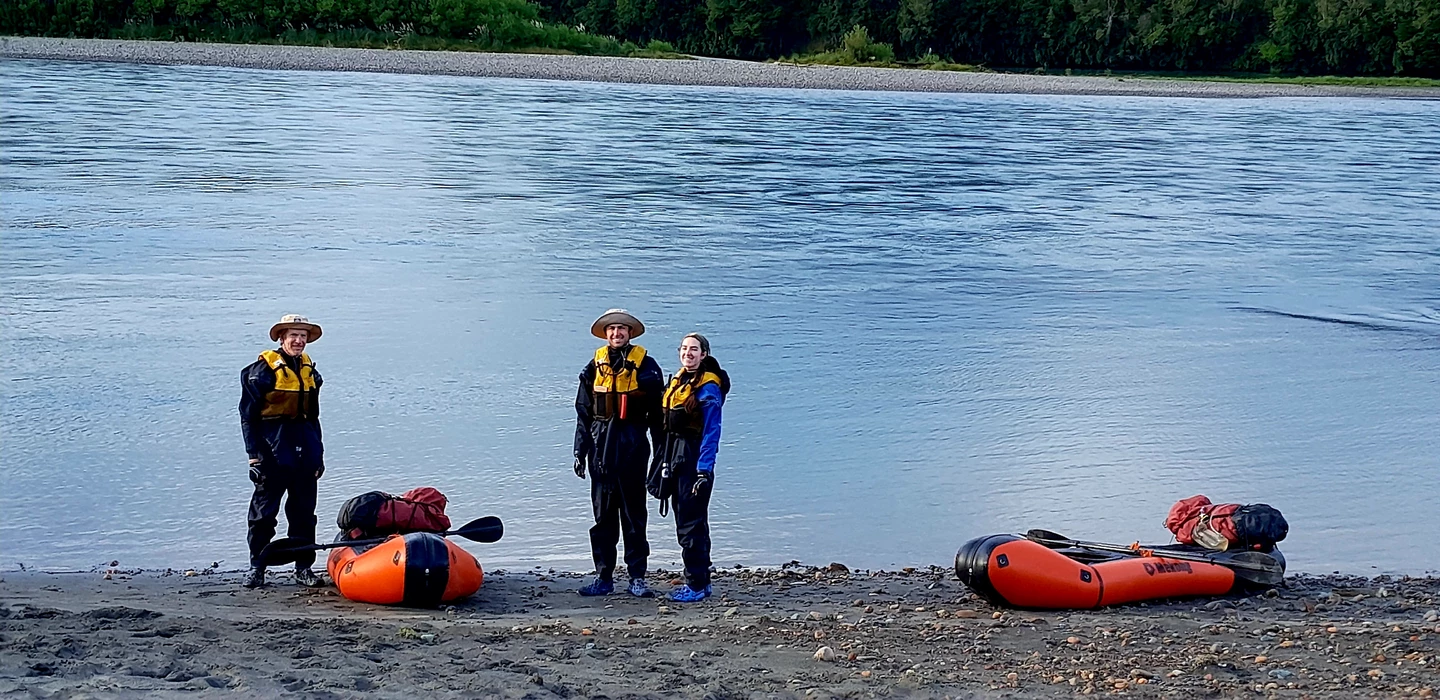
There is practically no current and the river is extremely wide in most places. Sometimes it feels like you're traveling more on a lake or sea than on a river.

We had to paddle constantly today to make any progress. Faustine and Thomas initially traveled with the two-person packraft.

Today we were harassed by huge tabanos (Osca lata) all day long. They can be quite penetrating. Nevertheless, the weather and the landscape were beautiful again today.

Only when the wind started to pick up did we take a lunch break on the river bank. The Tabanos terrorized us. My shoulders were literally burning from all the paddling.
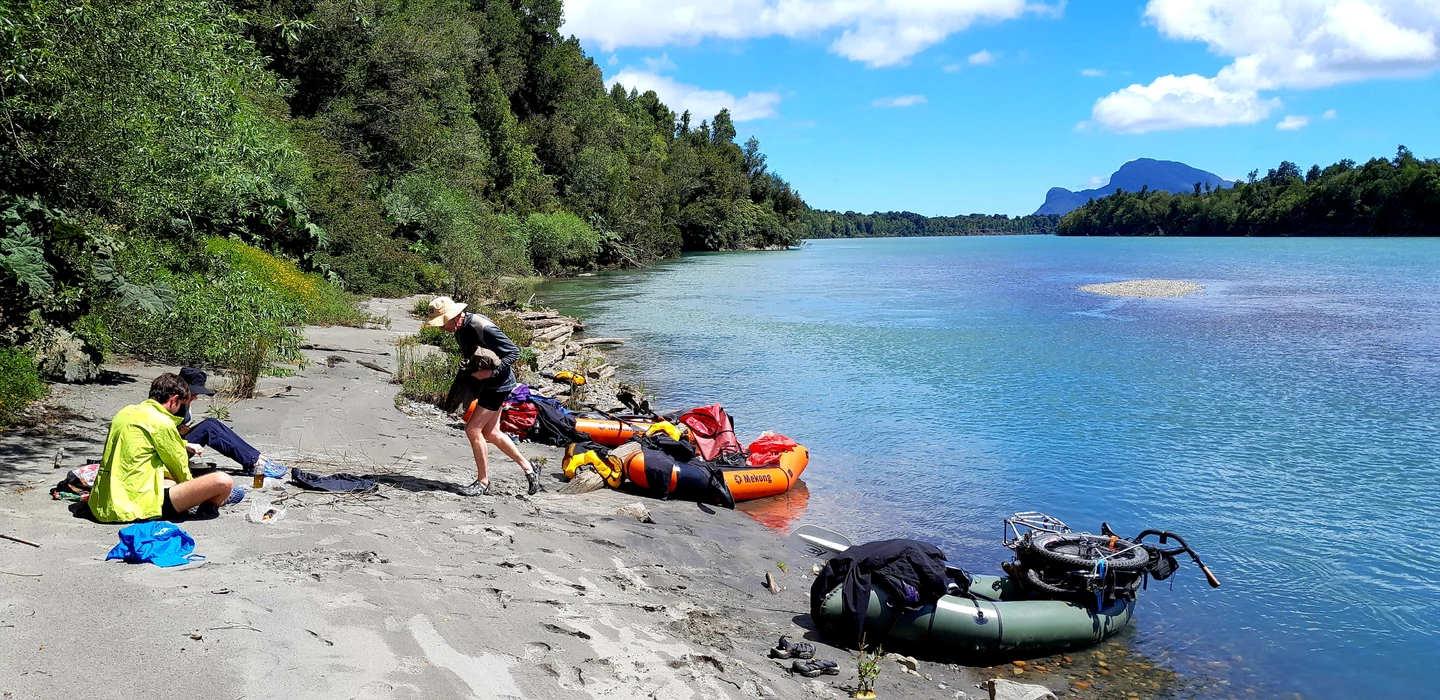
Thomas swapped places with Hugues in the afternoon. Despite the wind and waves, we fought our way forward pretty well and reached the entrance to Canal Garrao around 5:00 p.m., where we took a short break before the last section.
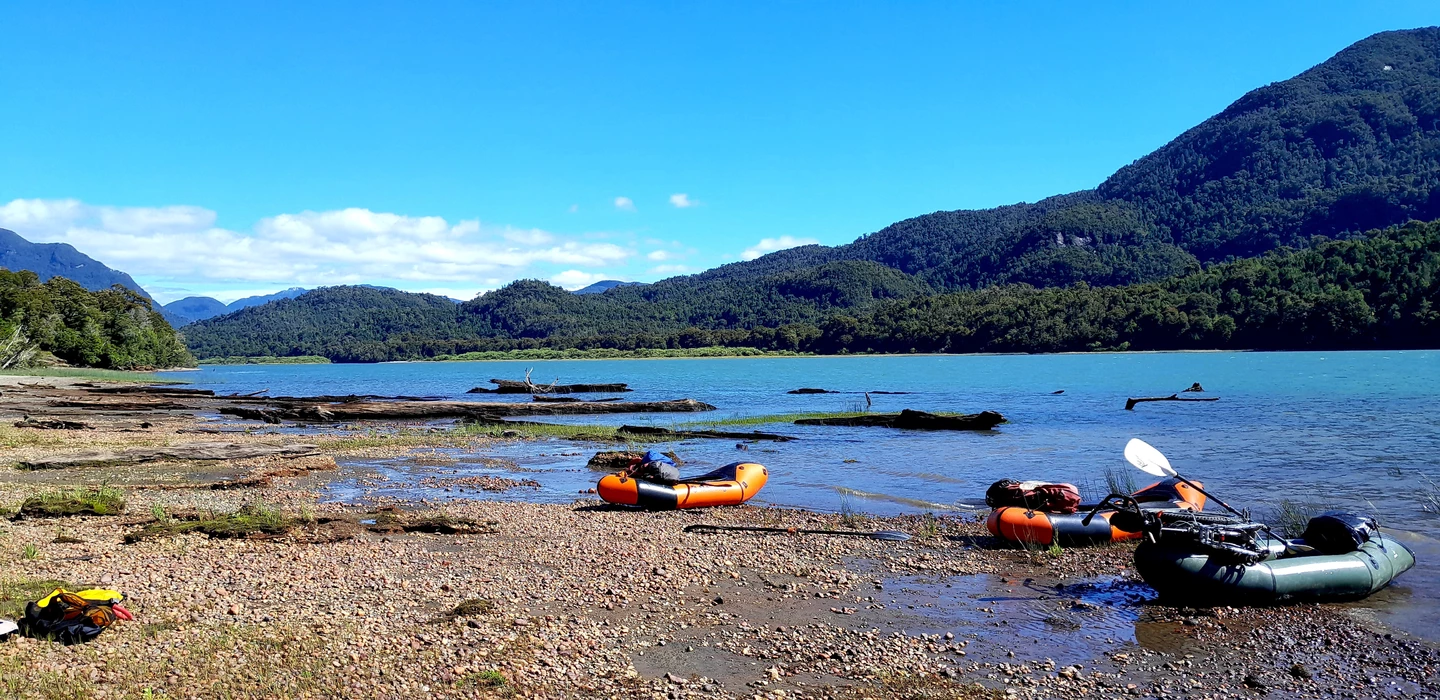
The trip on the canal was really pleasant because there are hardly any waves and no wind. However, the sea played tricks on us at the end. The water level here at the mouth is extremely dependent on the ebb and flow of the tide.
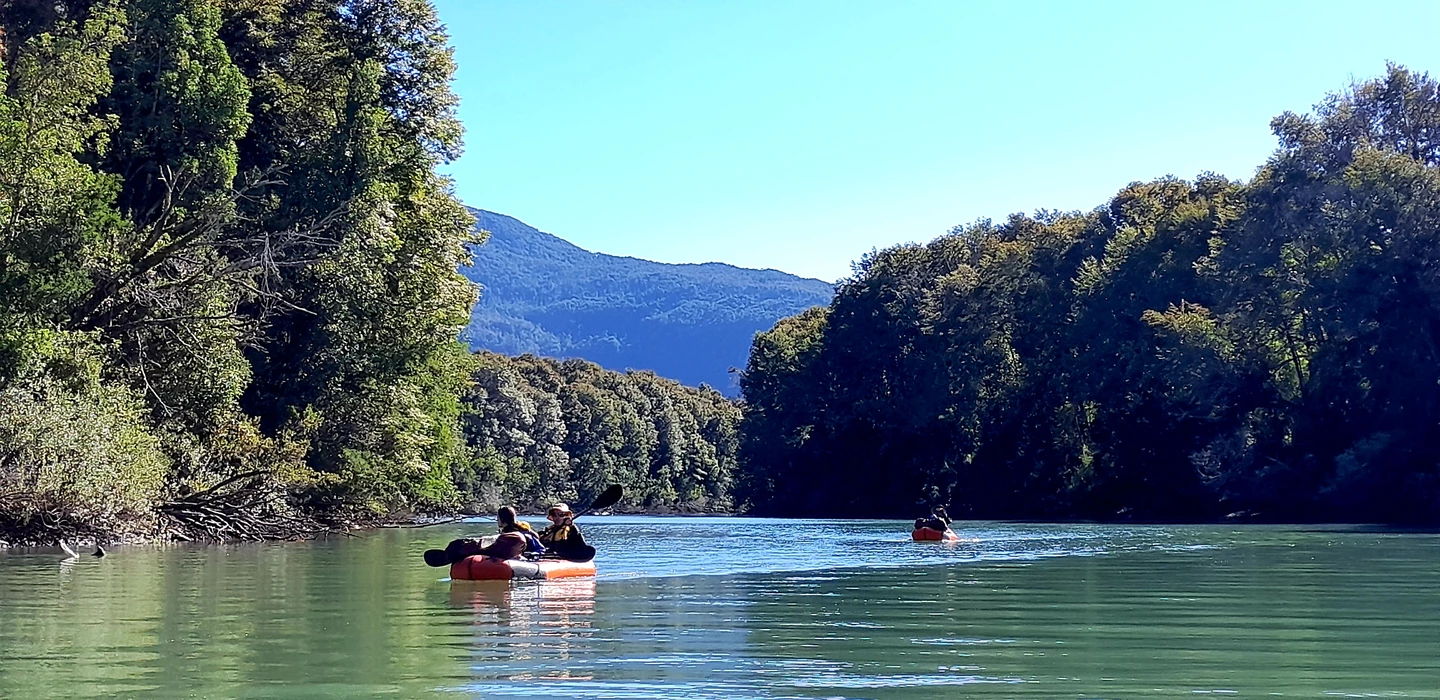
We got out of the canal just as the water receded. This meant we had to paddle a little further out and at one point push the boats through the water on foot.
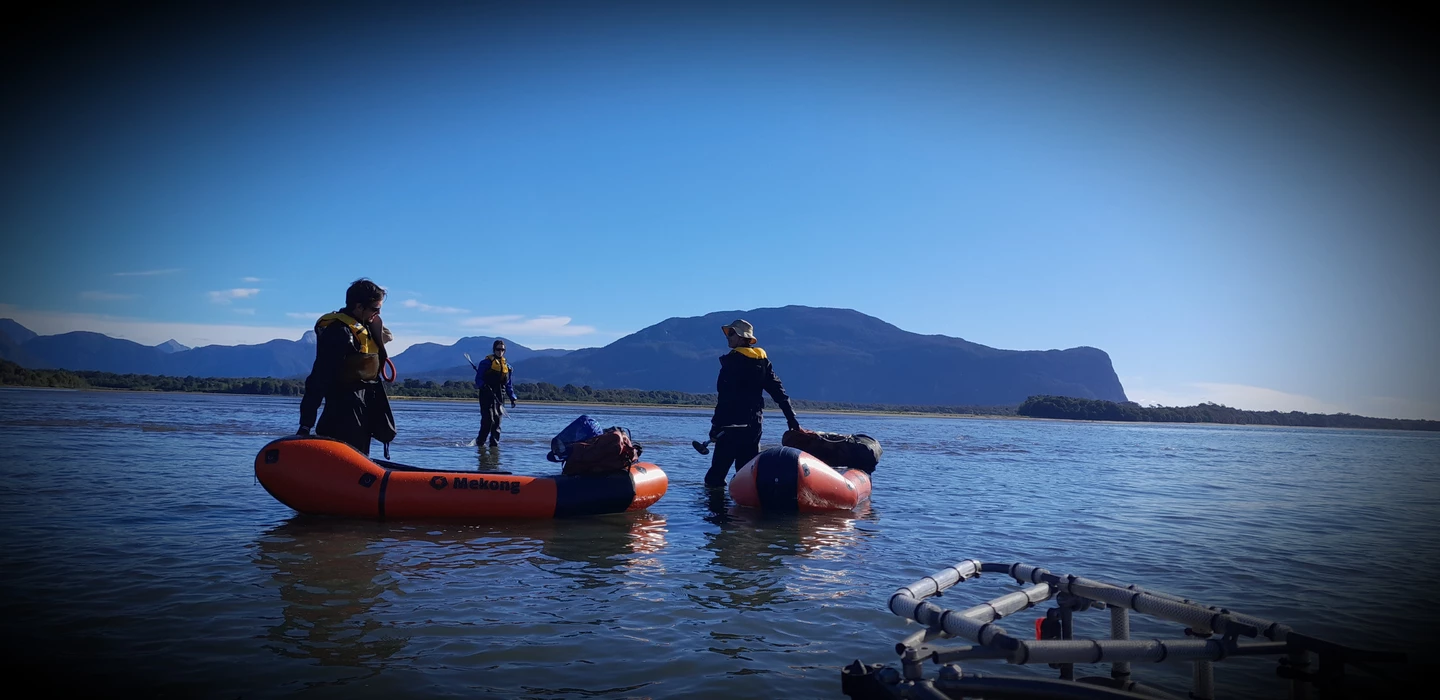
In the last few kilometers to Puerto Raul Marin Balmaceda, seals suddenly appeared in front of our boats. There is no better greeting. Totally exhausted, we reached the harbor at dusk.

Fortunately, Camping Willy is located right behind the beach. The shops were already closed and we found out that a ferry left for Puerto Chacabuco today (Thursday) and the next one wouldn't come until Sunday.
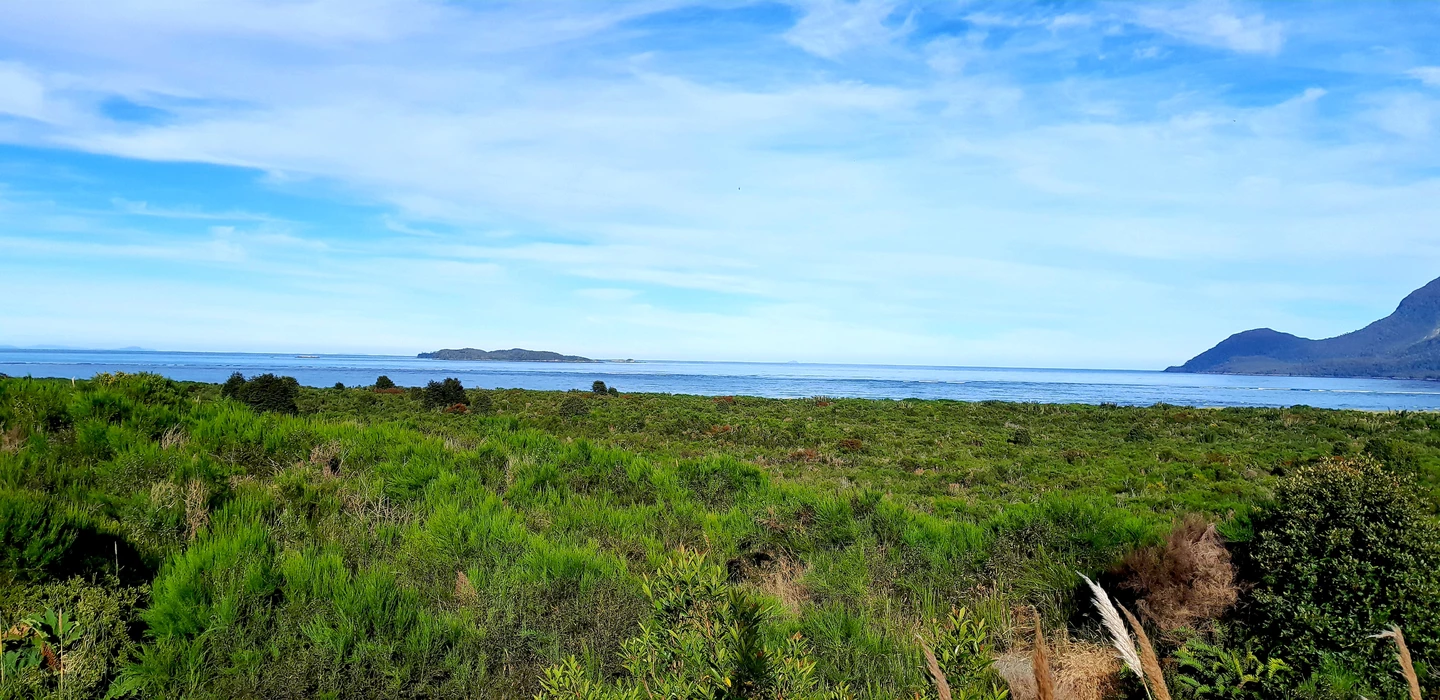
It wasn't until midnight that we went into the tent. The next morning I woke up before the others and took a walk through the village. That's when I discovered the Sendero Chucao. A beautiful path takes you to a viewing point where you can clearly see the mouth of the Rio Palena.

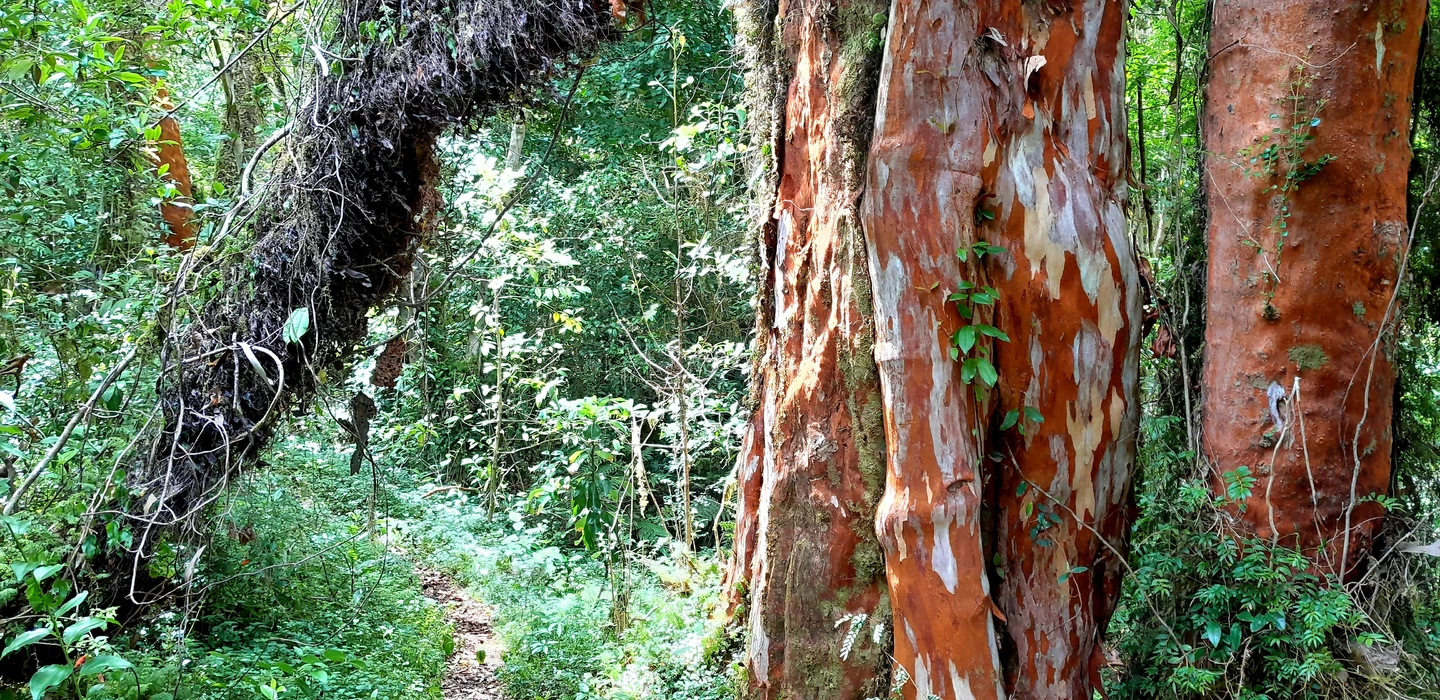
After breakfast, I walked towards the airfield with Faustine and Hugues. Shortly before that, a small path branches off to Sendero Los Arrayanes.
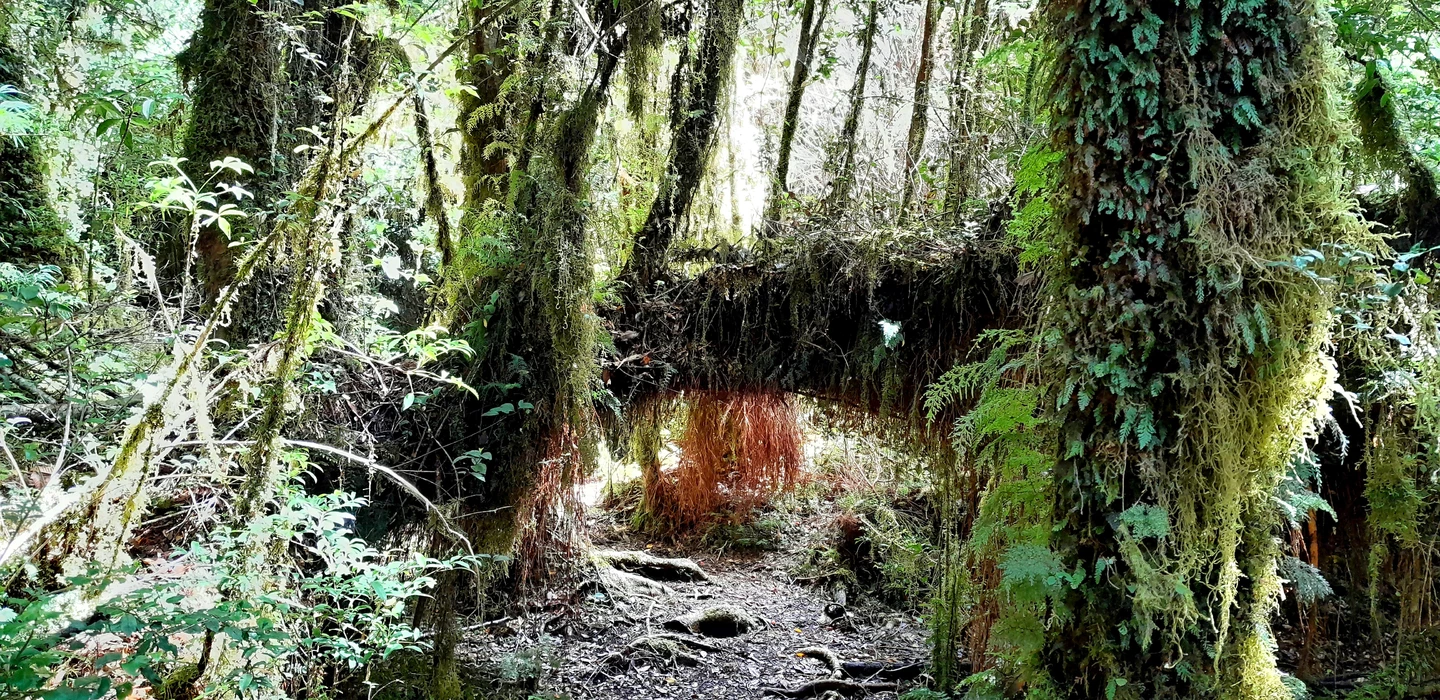
We were all impressed by the lush vegetation here. There are viewpoints in 5 places from where you can always see the Palena River.
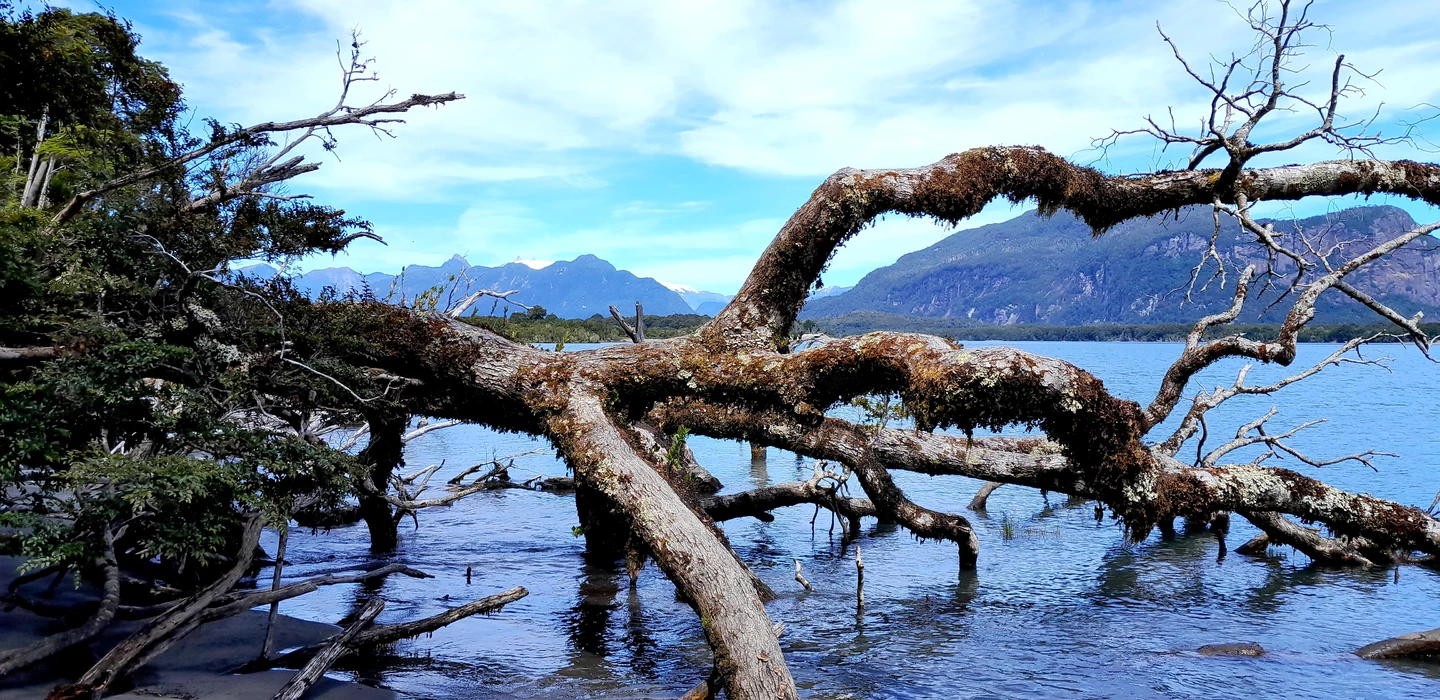
Of course I liked the big trees. We even saw a few dolphins in the distance on the beach. Towards the end we came back to the Sendero Chucao, which I had already visited in the morning.
The highlight of the day followed around 6:00 p.m. With Kurth (Willy's son) and his assistant we took the motorboat out to the Islas des Hermanas.
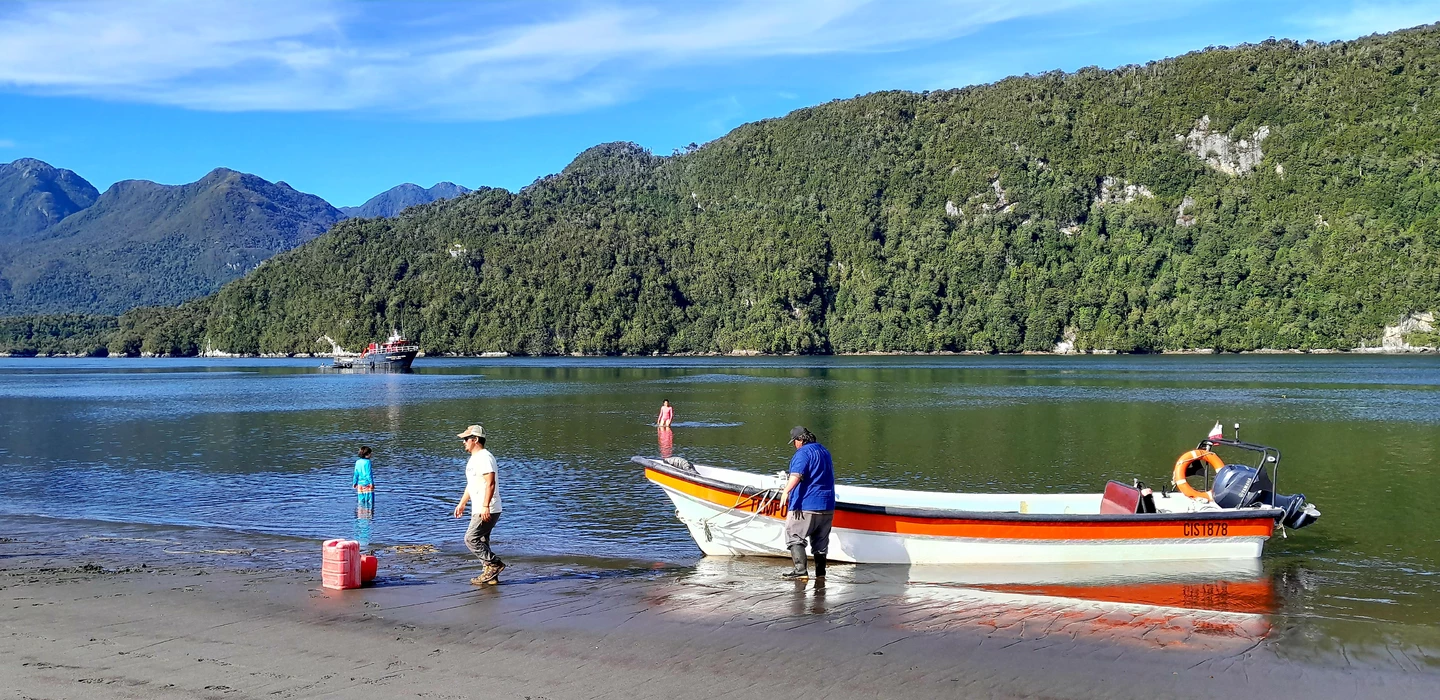
The archipelago is located in the Reserva Marina Anihue, the marine reserve is completely protected. Right at the beginning we saw the first groups of sea lions.

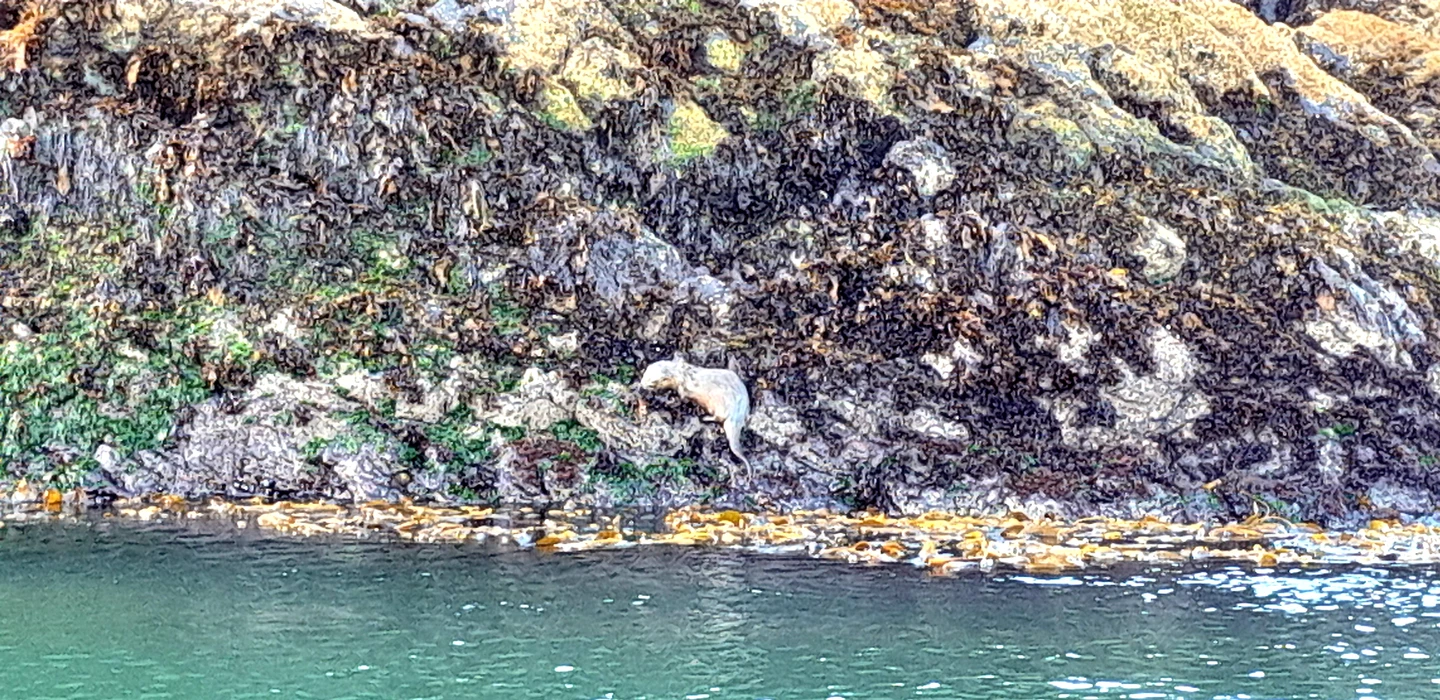
Other animals, such as otters, are not so easy to recognize. Kurth knows the area very well and knew exactly where they like to stay.
Thanks to the nice weather, we were also able to see the Melimoyu volcano between the islands. Its huge glacier is quite impressive and the even larger (adjacent) Reserva Natural Melimoyu is named after it.

But we also saw other animals that live in the area. Among other things, 4 different species of cormorants, penguins, seals, ducks, swans and seagulls. A group of dolphins swam on both sides of our boat for a while. Orcas also visit here occasionally towards the end of summer.

Kurth rightly describes the area as a paradise. I couldn't have wished for a better end to the Rio Palena adventure. After another day in Puerto Raul Marin Balmaceda, the ferry to Puerto Chacabulco pulled into the harbor on Sunday morning.

I was able to stow my bike at the front of the ferry for the almost 24 hour journey. I was the only cyclist on the whole ship.
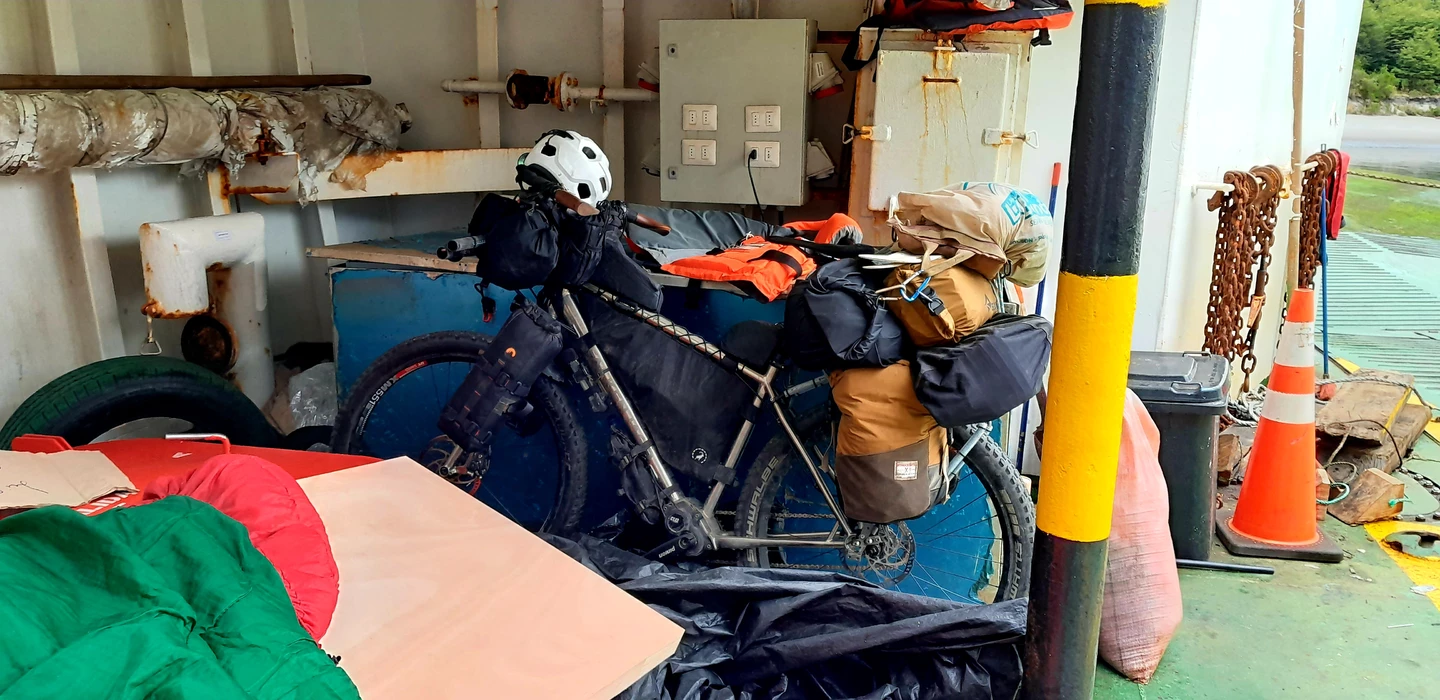
One last time I looked back from the ship at the mouth of the Rio Palena. I will never forget this adventure for the rest of my life.

At the beginning of the trip the weather didn't really cooperate. Some pretty heavy downpours of rain passed over the deck. Only when we entered the port of Melimoyu did things slowly calm down.

Nevertheless, the atmosphere of the landscape was impressive and in the back of the ship you could enjoy the journey well protected from the wind.

On the drive to Caleta Puyuhuapi it got really warm. There are a few islands here where you can only get there by boat and where a few people live. The ferry delivers important things such as food and building materials.
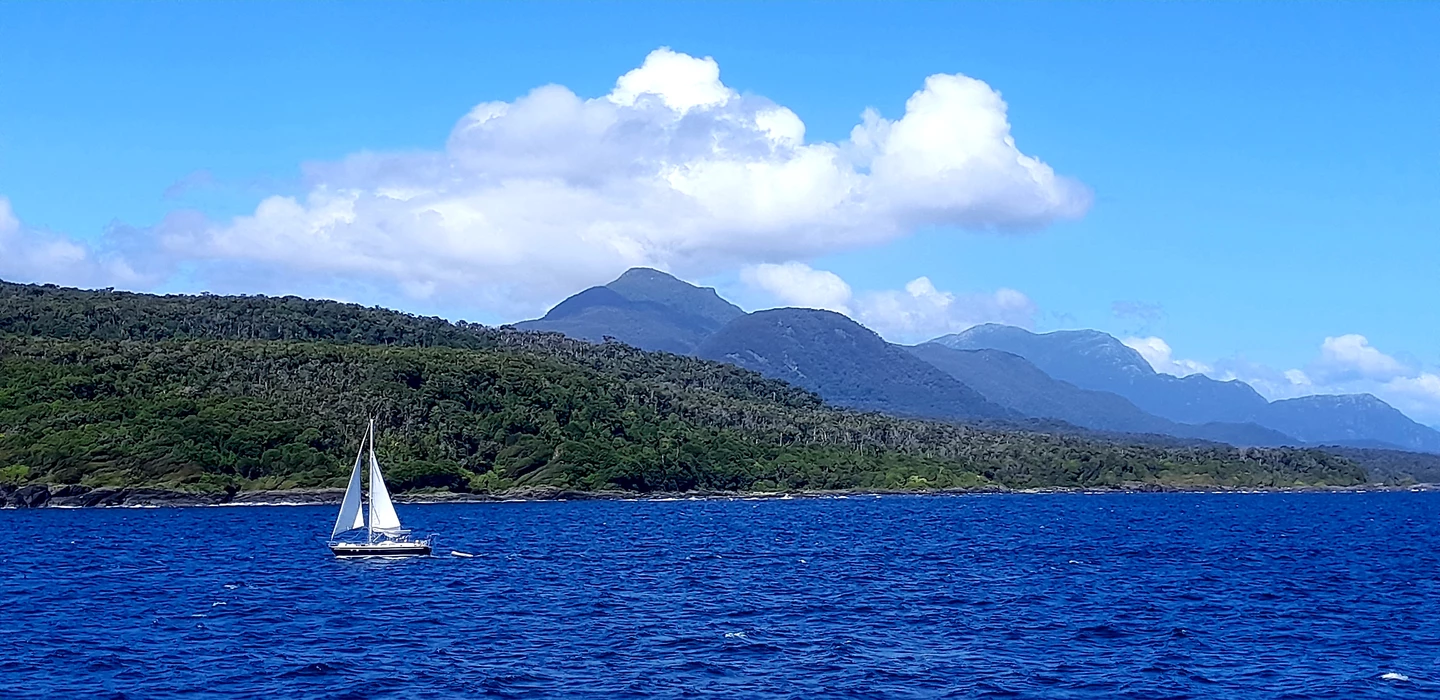
At every stop it was interesting to see what kind of goods were brought ashore. The mountains here almost seem to grow out of the sea.

One of the most beautiful sections came just before the entrance to Puerto Cisnes. Suddenly the Queulat National Park appeared behind the islands.

Up close you could also see the Cascada de Ventiquero Golgante waterfalls and the glacier tongue. This sight is simply phenomenal!

The sun gave us a beautiful sunset when we arrived at the port of Puerto Cisnes.

Getting a lot of sleep was out of the question during the night drive. We arrived in Puerto Chacabuco just a little late. Unfortunately I had to say goodbye to Faustine, Thomas and Hugues there. They continue by bus to Coyhaique.

On the busy road I cycled the 15 kilometer route from Puerto Chacabuco to Puerto Aysen. At El Salto you have another beautiful view of the fjords.
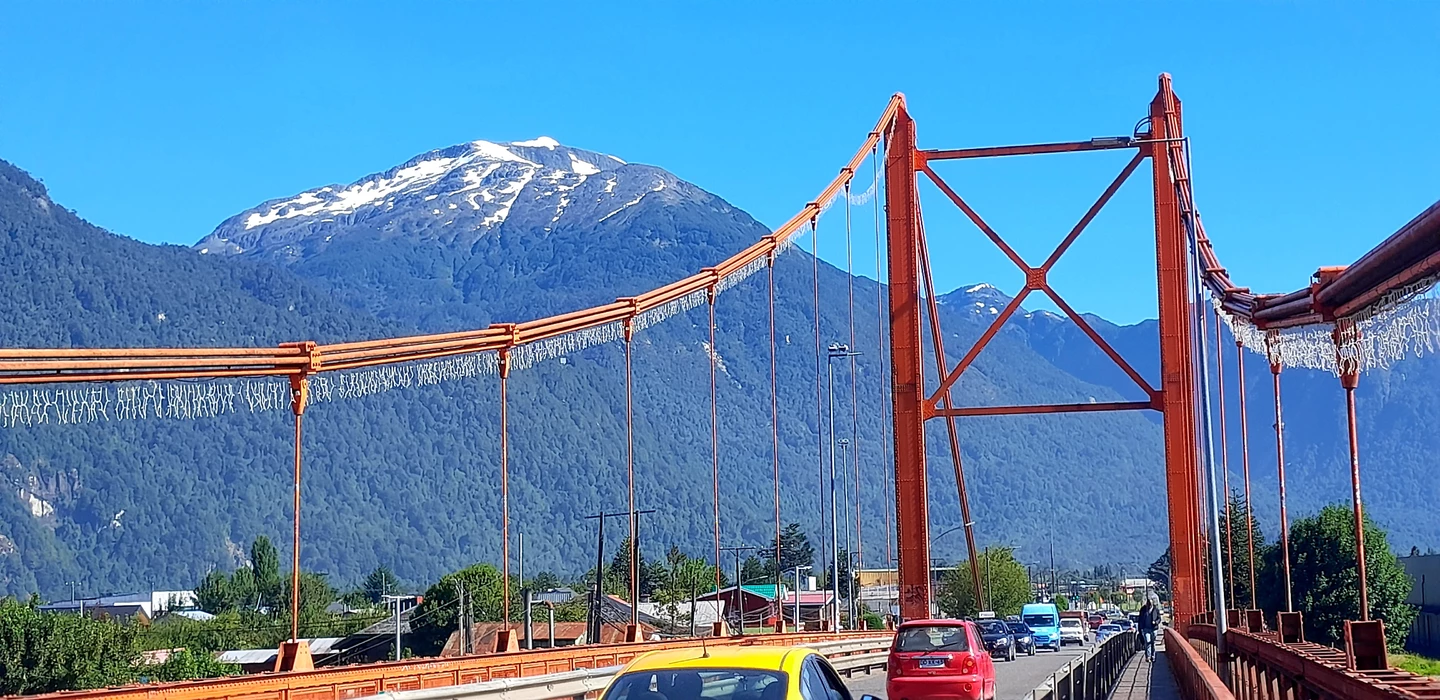
Here in Puerto Aysen I rented a cabin from Marcelo and will now, among other things, repair my packraft and plan the onward journey.
